Muddy toes or a dark patch on your favourite pair? To learn how to clean suede shoes, start dry: brush off dirt, rub scuffs with an eraser, and only then dab stubborn stains with white vinegar.
This guide is part of our wider shoe care and repair section, which covers other everyday upkeep jobs.
| Item | Value |
|---|---|
| Typical cleaning time | 15 min |
| Estimated cost of supplies | $10 |
| Cornstarch on an oil stain | A few hours |
| Bicarbonate of soda on an oily stain | 20 minutes to several hours |
| Protector spray | Again after every clean |
These figures come from Nike’s suede cleaning guide and Expert Reviews’ suede guide. They can change, so check the source before you rely on them.
Why does suede need different care from smooth leather?
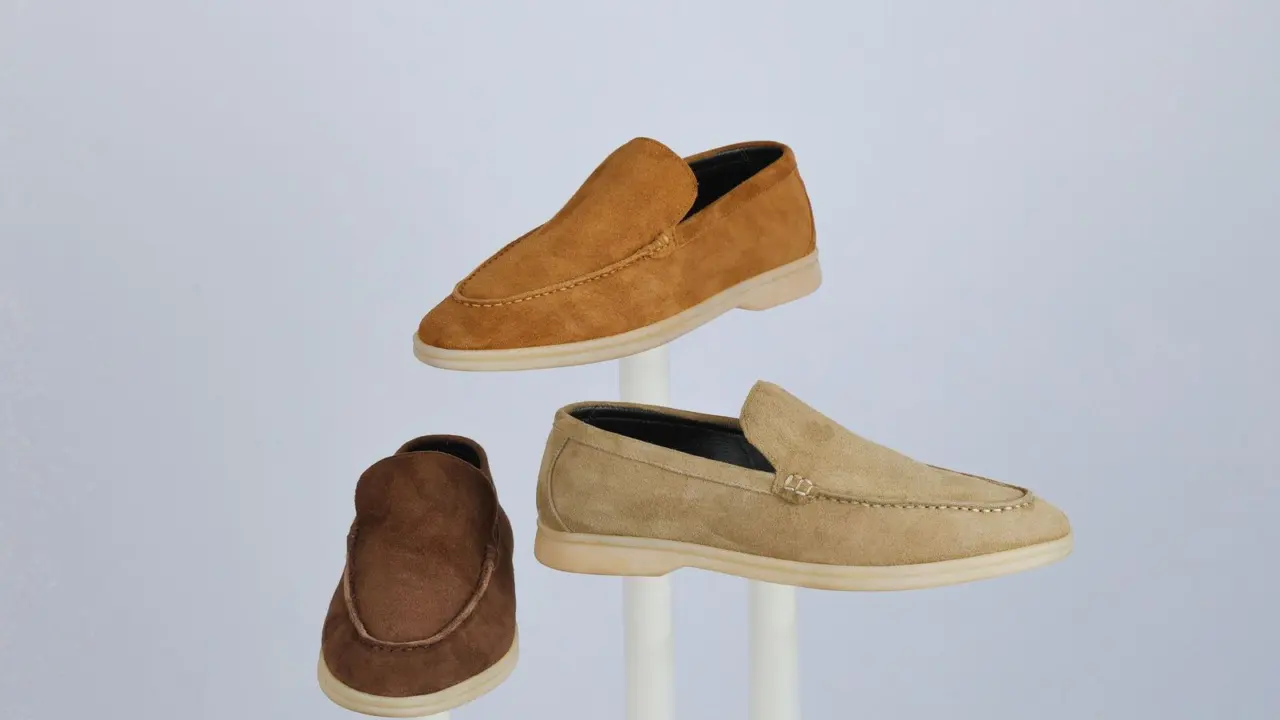
Suede is leather made from the underside of the animal hide, which creates its velvety texture. The surface is then brushed to raise a soft nap of tiny fibres.
Because of that texture, suede is more porous than smooth leather, so it absorbs moisture and stains more easily. Brushing lifts the nap, restores texture and helps the colour keep its depth.
Two details change how you clean a given pair:
- Colour: light-coloured suede is more prone to staining and may absorb dye from other fabrics.
- Real or faux: faux suede, typically polyester, is tougher and more resistant to water and staining than real suede.
- Condition: a dry, dusty pair needs only a brush, while a stained pair needs the full routine below.
The rest of this guide covers real suede, which needs the most care.
What you need before you start
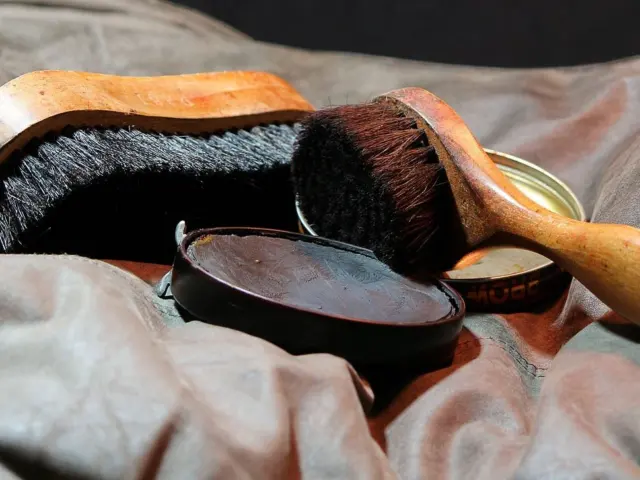
Most of the work is dry work, so the kit is small and cheap. A suede brush is the main tool, though a clean toothbrush or nail brush can stand in.
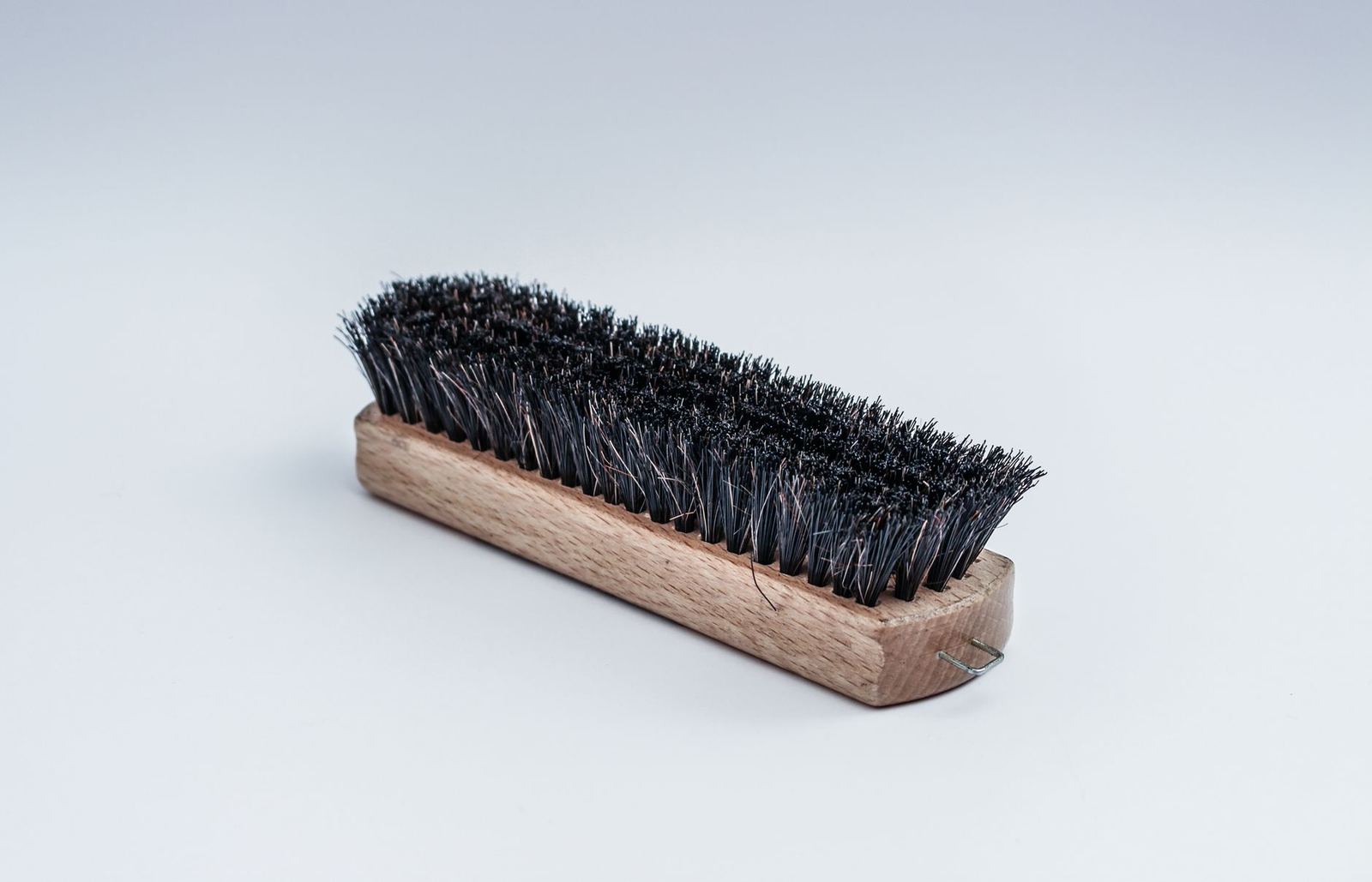
- A suede brush, or a soft-bristle brush or toothbrush
- A suede eraser, or a clean pencil eraser
- A clean, dry, lint-free cloth
- White vinegar, rubbing alcohol or a suede cleaner for stubborn marks
- Cornstarch or bicarbonate of soda for oil
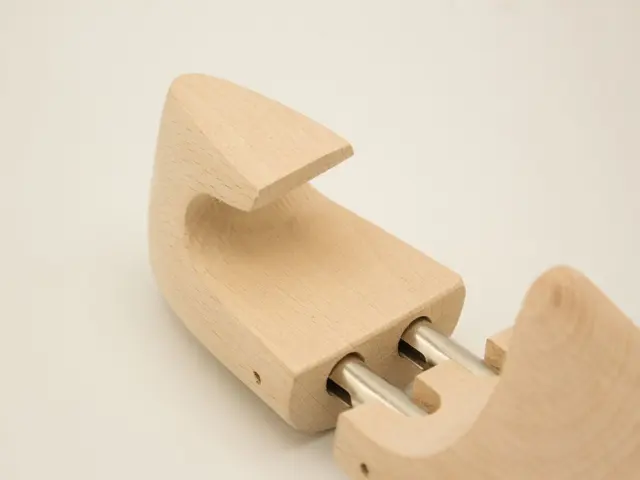
- Shoe trees or crumpled newspaper to hold the shape
- A suede protector spray for afterwards
Whatever brush you use, work in the direction of the pile, the way you would stroke a pet’s fur. Even a brush made for suede can damage it if you are over-enthusiastic.
Step-by-step: cleaning suede shoes at home
Set aside about 15 minutes, as Nike’s guide estimates, and work in this order. Most pairs never need more than the first few steps.
- Prepare the shoes. Insert shoe trees or crumpled newspaper so they keep their shape while you work.
- Let them dry. Avoid cleaning suede when it is wet, and let mud or moisture dry before brushing. Stuff the pair with newspaper or air it in front of a fan rather than using a dryer.
- Brush off dirt. Use a suede brush or toothbrush with a quick side-to-side motion to lift the fibres and loosen debris. If you have no brush, use a clean cloth, and keep soap and water away.
- Rub away surface marks. A suede eraser is best, and a pencil eraser or household cleaning eraser is the next best thing. Make sure the eraser is clean, and press only a little harder than for brushing.
- Treat what is left. Dampen the corner of a dry cloth with suede cleaner, white vinegar or rubbing alcohol. Massage the mark lightly, let it dry, and repeat if it is still visible.
- Finish with the brush. Once the shoe is fully dry, brush the nap back up in one direction.
The key is a light touch. Do not drench the shoe, and do not rub hard, or you risk damaging the surface.
How to remove stubborn stains
Different stains need different treatments. Pick the one that matches yours:
- Oil and grease: sprinkle with cornstarch and leave the shoe for a few hours, then wipe away the remains with a cloth or lift them with a hand vacuum. Bicarbonate of soda works too: brush it in, leave it for 20 minutes to several hours, then brush off the residue.
- Food and unknown stains: moisten a clean cloth with white vinegar, without soaking it, and rub gently. Skip brown malt vinegar, which has a stronger smell and a dark colour that could stain.
- Gum or wax: put the shoes in the freezer until it hardens, then peel or scrape it off.
- Blood: dab with a cotton ball or clean towel dipped in a little hydrogen peroxide, let it dry, and repeat if needed.
Oil is the one stain to treat dry, because wetting oil first only pushes it deeper into the nap, according to one footwear maker’s care guide. That guide also advises washing a whole panel rather than a single spot, so the suede dries to one even shade.
Work slowly and give each treatment time to dry before judging the result. Repeating a gentle method is safer than one aggressive attempt, since rubbing too hard can damage the fabric. Keep the brush and eraser clean between stains so you never carry grease or dye from one mark to the next.
Some marks, such as ink, are best left to a cobbler. If a stain survives every careful attempt, a specialist cleaner is a better next step than more scrubbing.
Protecting suede and avoiding common mistakes
Once the shoes are clean and dry, apply a suede protector, usually a spray. Ideally use it on brand new shoes and spray again after every clean so the protection lasts, and choose a transparent, colourless formula.
A protector helps prevent water stains, which matters if you meet unexpected rain or a spill. If you also own smooth leather pairs, read how to waterproof leather boots for their separate routine, because suede needs its own products.
Avoid these common mistakes:
- Putting suede in the washing machine or hand-washing it in soap and water, since suede absorbs water and stains can set.
- Drying shoes in a dryer, which can damage them.
- Rubbing too hard, which can flatten the nap into a shiny patch.
- Reaching for brown malt vinegar instead of white.
Finally, a clean pair should fit comfortably. If yours pinch, learn how to stretch tight shoes rather than forcing them on and scuffing the suede.
Frequently asked questions
Can suede shoes be washed?
Show answer
Nike’s guide does not recommend a washing machine or hand-washing in soap and water, because suede absorbs water and stains can set. Start with a dry brush, follow with an eraser, then use a little rubbing alcohol, white vinegar or suede cleaner.
Does suede protector spray work?
Show answer
A protectant can help prevent water stains from forming, according to Nike’s guide. Apply it after cleaning and drying, and reapply after every clean.
Is faux suede cleaned the same way?
Show answer
The dry-first approach is a sensible starting point, but faux suede is typically polyester and tougher against water and staining. It is generally easier to maintain than real suede.
What if a stain will not come out?
Show answer
Repeat the gentle treatment once or twice, then consider a professional. Dry cleaners and postal shoe-cleaning services may handle suede, and set-in stains such as ink are usually a cobbler’s job.