Wondering when to replace running shoes before they start hurting you? Most pairs last about 300 to 500 miles, but flat cushioning, uneven wear and new aches can say it sooner.
This guide is part of our section on shoe care and repair.
| Item | Value |
|---|---|
| General replacement range | 300 to 500 miles (500 to 800 kilometres) |
| Daily trainers | 300 to 600 miles |
| Performance trainers | 200-400 miles |
| Super shoes | 100 to 300 miles |
| Running fewer than 10 miles a week | About 8 to 12 months per pair |
| Running 40 miles or more a week | About every 2 to 3 months |
These figures come from a footwear maker’s guide last updated 16 March 2026 and a running retailer’s gear guide. They can change, so check the sources before you rely on them.
How many miles do running shoes last?
Most guidance lands on a range of 300 to 500 miles, or about 500 to 800 kilometres, as one footwear maker’s guide puts it. Doctors quoted by NBC Select give the same span, and a foot and ankle clinic says the same. The range is wide because shoes are built for different jobs.
A useful rule from the retailer’s guide is that the lighter the shoe, the less wear you get out of it. Its typical figures look like this:
- Daily trainers: typically 300 to 600 miles. They are heavier and usually have a durable rubber outsole.
- Performance trainers: about 200-400 miles. They are springier but less durable.
- Super shoes: typically 100 to 300 miles. Materials are stripped back to save weight.
- Trail shoes: closer to the 200-400 mile threshold than to the top of the daily trainer range, because rough ground is hard on them.
Your own build matters too. One podiatry expert told NBC Select that many patients over 200 pounds only get 200 miles from a pair, while someone under 140 pounds might get over 550 miles. That gap is why body weight belongs in your estimate.
Surface plays a part as well. The same article notes that treadmills tend to be gentler on shoes, while regular running on pavement or concrete can wear down cushioning a bit faster.
A time-based guide if you don’t track miles
If you don’t log distance, months in use works as a rough stand-in. The footwear maker’s guide ties the timing to weekly volume:
- Running fewer than 10 miles a week: around 8 to 12 months.
- Running between 10 and 20 miles a week: 5 to 8 months.
- Running 20 to 40 miles a week, as in half-marathon training: about every 4 to 6 months.
- Running 40 miles or more a week: approximately every 2 to 3 months.
The foot and ankle clinic’s guide suggests writing the purchase date on the box or sockliner and setting a reminder to check cushioning, fit and tread. It adds that if aches or uneven wear show up sooner, you should replace earlier.
Think of these windows as a prompt to inspect the shoe, not a deadline. A pair that is still lively at the upper end of its window can stay in rotation.
Signs the shoes themselves are worn out
Many runners judge a pair by the tread, but the midsole usually gives up first. The footwear maker’s guide says wear on the tread is normal and the outsole is usually the last part to go. A shoe can look fine underneath and still have flat, tired foam.
Uneven wear deserves attention too. The same guide warns that if one shoe is more worn than the other, it can create an imbalance in your running gait.
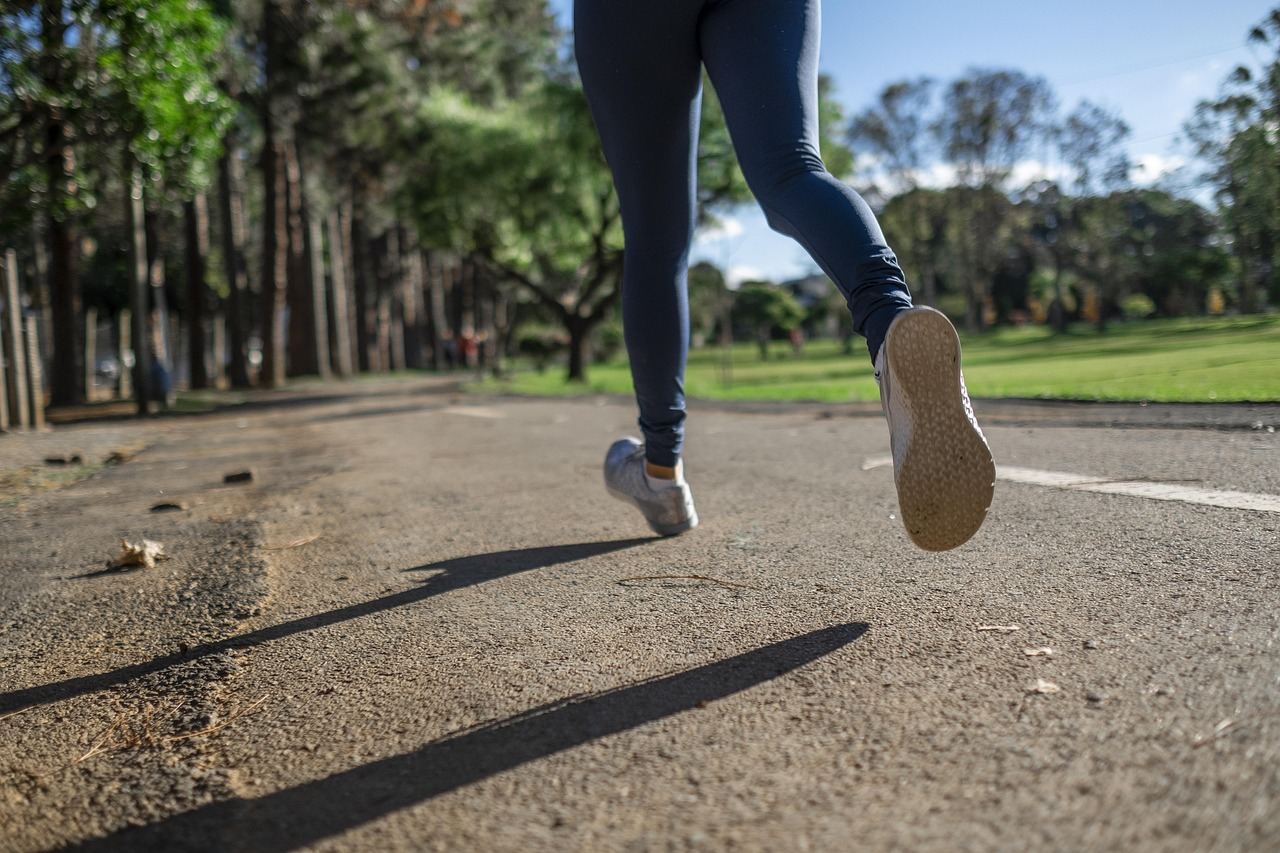
Run through this checklist with each pair, using the sources linked in each point:
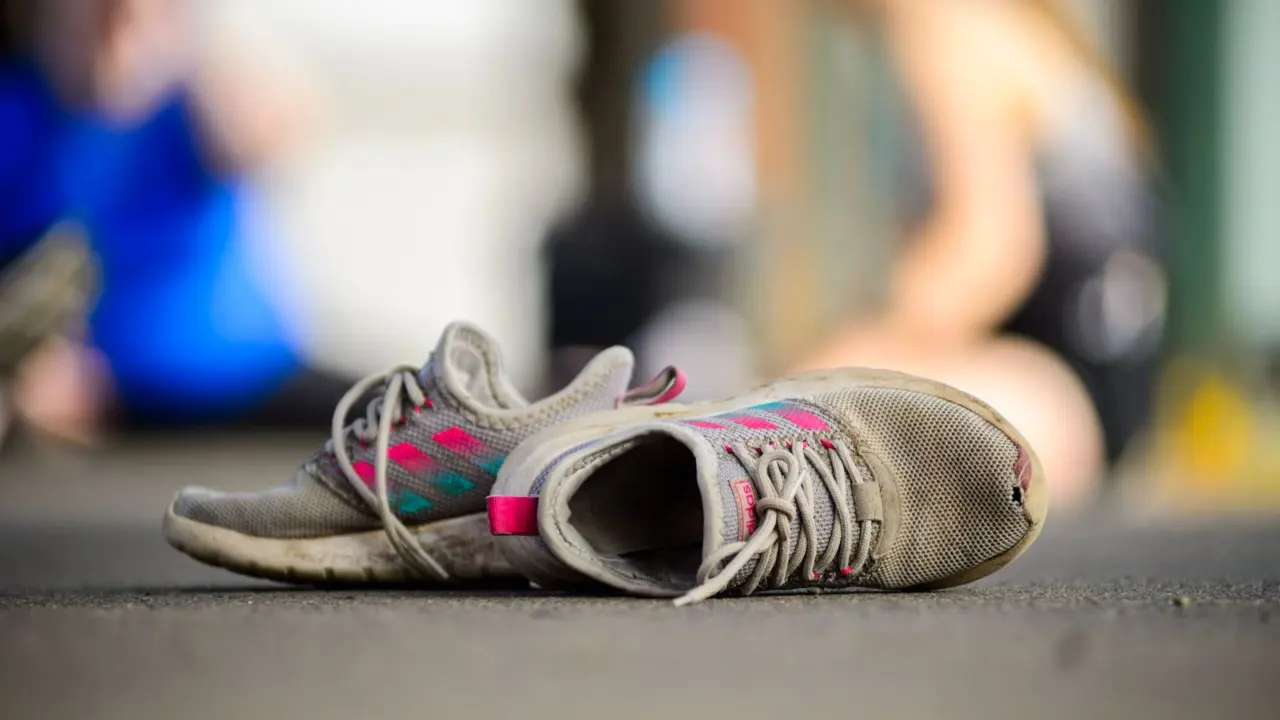
- Midsole: a compressed midsole, grooves or ridges, or uneven wear means it is likely time to replace the shoes.
- Thumb test: press into the midsole. Foam that feels dense, slow to rebound or visibly creased may be breaking down even if the outsole still looks intact.
- Outsole: foam showing through the bottom or patches with no tread is another sign, according to the same podiatry expert.
- Inner heel: if the area where your Achilles rests is torn or missing material, your foot is no longer held securely as you run.
- Upper: tears, stretching or a sloppy fit that lets your foot move around.
Compression lines along the sidewall are an early warning, based on the footwear maker’s guide. If you prefer plush, soft cushioning, watch the midsole more closely than the tread, because softer foam can compress faster under heavy mileage or higher body weight.
Signs your body is telling you
Mileage is a guideline, and your body often reports a problem before you reach a number. A doctor of physical therapy told NBC Select that a good sign your shoes need replacing is unexpected aches and pains, such as Achilles tendonitis, shin splints or plantar fascia pain.
Watch for patterns that start without any change in your training:
- New soreness in your feet, shins, knees, hips or back after runs, as listed by the foot and ankle clinic.
- Blisters or hot spots in places that never gave you trouble before.
- Heel slip, where the lining is worn through or your heel no longer locks in.
- Harder runs: familiar routes feel harsher or more tiring with no training explanation.
- Harsher ground impact or joint soreness, which the footwear maker’s guide links to cushioning that may no longer be adequate.
Running in worn-out shoes can cause discomfort and even injuries, says the retailer’s guide, so treat new pain as a reason to inspect your pair. If pain continues after you switch to fresh shoes, the shoes may not be the cause. The clinic’s guide also covers when persistent pain means it’s not just the shoes.
How to make your running shoes last longer
You can’t stop foam from fatiguing, but you can slow it. The foot and ankle clinic’s guide lists several habits that stretch a pair’s life:
- Rotate pairs. Rotating lets midsoles decompress between runs.
- Match the shoe to the surface. Use road shoes on roads and trail shoes on trails.
- Keep shoes clean, dry and out of heat. Moisture and grime speed wear.
- Keep errands separate. Miles from walking or casual use still age the shoe, so save an older pair for daily wear.
- Mind the fit. Poor heel lock and yanking shoes off fray collars and stretch uppers.
If a pair looks tired but still feels lively, a clean may be all it needs, and a separate guide on how to clean white sneakers covers the basics. Leather work or dress shoes need different care from foam trainers, and a guide on how to polish leather shoes explains that routine.
When a pair does reach the end of its running life, keep a note of its mileage and what wore out first. That record makes your next replacement easier to time, and it helps you see which shoe type suits your running.
Frequently asked questions
Do miles from walking count toward shoe wear?
Show answer
Yes. The foot and ankle clinic’s guide says miles from walking or casual use still age the shoe, so errands shorten the running life of a pair.
Does body weight change how long running shoes last?
Show answer
Yes, heavier runners should inspect their shoes sooner. The footwear maker’s guide notes that softer midsoles can compress faster under heavy mileage or higher body weight, so the mileage range alone may be too generous for you.
If the outsole still looks good, are my shoes fine?
Show answer
Not necessarily. The footwear maker’s guide says the outsole is usually the last part to go, and the midsole may be breaking down even when the outsole looks intact.
How do I check the cushioning at home?
Show answer
Press into the midsole with your thumb, as the footwear maker’s guide suggests. Healthy foam should compress and rebound quickly, while dense, slow or creased foam points to a worn-out shoe.