Stinky shoes can make you dread taking them off. The short answer on how to remove odor from shoes: dry them fully, then treat the insides with baking soda, diluted vinegar or a dry bar of soap.
If odor is one item on a longer upkeep list, the wider topic of shoe care and repair covers the rest.
| Item | Value |
|---|---|
| Vinegar spray mix | Equal parts white vinegar and water |
| Straight baking soda in the shoes | At least 24 hours |
| Freezer method | Around 24 hours in a sealed bag |
| Bar of soap in each shoe | Overnight |
| Replacing socks | Every six to 12 months |
These figures come from Nike’s care guide and Rieker’s care guide. Guidance can change, so check the source before you rely on the figures.
Why do shoes smell in the first place?
Bacteria are the culprits, not sweat on its own. Nike’s guide, last updated February 13, 2025, explains that bacteria on your feet produce organic acids such as methanethiol, isovaleric acid and propanoic acid as waste products. Those wastes, not the sweat, carry the smell.
Even careful foot hygiene may not stop it. Your feet have more sweat glands per square inch than anywhere else on your body, and shoes trap sweat and moisture, which makes them an ideal breeding ground for bacteria.
Not every part of a shoe is equally to blame. Polygiene’s sneaker guide points to these areas:
- Insole: it touches the sole of your foot and soaks up a lot of sweat.
- Toe box: it is tight and often poorly ventilated, so it traps moisture.
- Lining and upper: synthetic materials are more likely to absorb sweat than natural ones.
The same guide notes that the rubber sole is not usually responsible for bad smells, so treat the inside first.
Baking soda, vinegar and soap: the household fixes
You probably own all of these already. Each one works on the inside of the shoe, where the bacteria live, rather than hiding the smell for an afternoon.
Baking soda
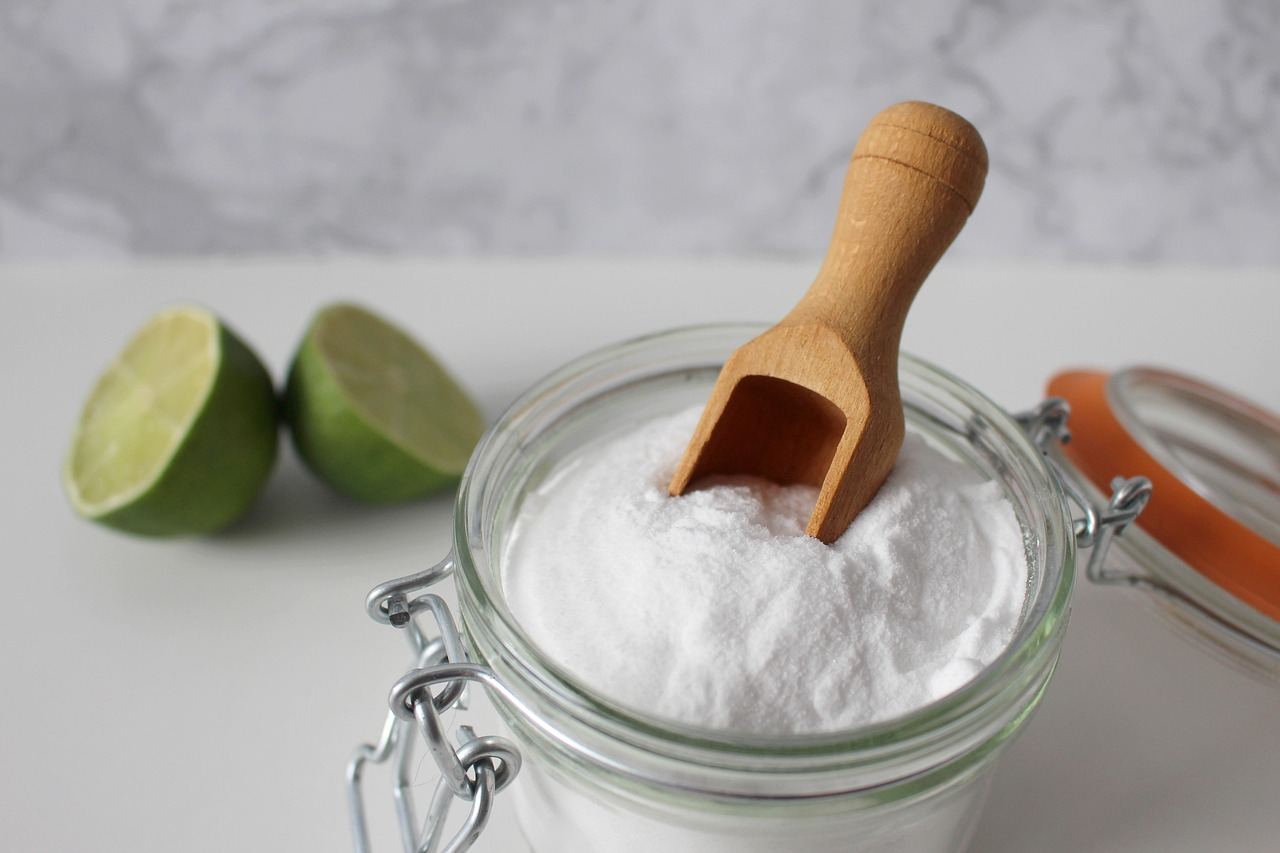
Baking soda absorbs moisture and neutralizes odors. According to Nike, you can sprinkle it straight into the shoes and leave them for at least 24 hours. Rieker suggests overnight or up to 24 hours, then shaking out the leftover powder before you wear them.
For a stronger blend, Nike’s guide mixes ¼ cup of baking soda, ¼ cup of baking powder and ½ cup of cornstarch. Split it between a pair of socks, knot the tops and leave one sock in each shoe overnight.
White vinegar spray
Vinegar neutralizes odors and fights bacteria, per a 2014 study in mBio cited by Nike. Mix white vinegar and water in equal parts in a spray bottle, spray the inside of the shoes after use and let them dry.
Clean the shoes thoroughly inside and out first, because that makes the spray more effective.
A dry bar of soap
Drop a bar of soap into each shoe and leave it overnight. Rieker says soap is porous, so it helps absorb lingering odors and leaves a fresher scent. Make sure the bar is completely dry, since extra moisture can encourage more bacteria.
Other methods for stubborn smells
If the household fixes are not enough, these options attack the bacteria in a different way.
Freezing the shoes
It sounds odd, but the freezer can help kill odor-causing bacteria. Rieker advises sealing the shoes in a bag for around 24 hours and letting them defrost fully before you wear them. Some people add citrus peel afterwards for a fresher scent.
Disinfectant or diluted rubbing alcohol
A disinfectant spray inside the shoe can reduce bacteria and freshen the lining. Rieker says rubbing alcohol diluted in water works similarly as a home remedy. Spray lightly and let the shoes dry fully before wearing them again.
Essential oils
Tea tree, clove and cedarwood essential oils are popular natural deodorizers with antifungal properties, according to Nike’s guide. It cites a case study in Mycobiology from December 2007 which found that clove oil strongly inhibits bacteria growth on the feet. Put a few drops in the shoe and let it air out, or mix the oil into baking soda or vinegar.
Washing sneakers
Not all sneakers can go in the washing machine, but some can. Polygiene says to remove the laces and insoles, use a gentle cycle with gentle detergent, air-dry the shoes and avoid tumble-drying, which is more likely to damage the uppers. If the outsides also need attention, here is how to clean white sneakers without guesswork.
How to remove odor from shoes by drying them safely
Moisture is what bacteria need, so airing shoes out properly slows the smell. Rieker recommends a warm, dry area with good airflow rather than a damp corner, and says letting shoes air out between wears helps reduce moisture build-up.
Be careful with strong sun and heat. Rieker warns that leather and suede can become damaged or lose shape if exposed to heat for long periods, so check the care guidance for your shoe material first.
Leather boots face moisture from the outside too, so the guide on how to waterproof leather boots pairs well with these drying tips.
Skip the tumble dryer for sneakers, as Polygiene notes it is more likely to damage the uppers. If your pair is white, the steps on how to clean white sneakers cover the outsides while this page covers the insides.
Keeping the smell from coming back
Treating shoes once is only half the job. These habits make the biggest difference, based on the three guides:
- Always wear socks. Going sockless leads to stinky shoes because of sweat, and wool socks are described as natural odor-fighters because the oils in the fibers act as a barrier to bacteria.
- Change socks daily. Rieker says this helps minimize bacteria transferring into the lining.
- Replace socks regularly. Nike suggests every six to 12 months.
- Let shoes rest. Air them out between wears so moisture can escape.
- Replace old insoles. Polygiene says this works, though it is not an economical method if you do it often; antibacterial insoles are its longer-term suggestion.
- Try foot powder. Rieker says it may help absorb excess moisture if you sweat a lot.
Spraying vinegar solution after exercise, as Nike suggests, also keeps sneakers fresher for longer.
Frequently asked questions
Can I put smelly sneakers in the washing machine?
Show answer
Not all sneakers can be machine washed, so check yours first. If they can, Polygiene advises removing the laces and insoles, using a gentle cycle with gentle detergent, and air-drying instead of tumble-drying.
How long should baking soda stay in my shoes?
Show answer
Guidance varies slightly. Nike says at least 24 hours for straight baking soda, while Rieker says overnight or up to 24 hours. Either way, shake out the leftover powder before you wear the shoes.
Does freezing shoes really remove odor?
Show answer
Rieker and Polygiene both say freezing can kill odor-causing bacteria. Seal the shoes in a bag for around 24 hours, then let them defrost fully before wearing them.
Why do my shoes still smell when I wash my feet?
Show answer
Nike explains that even with the best foot hygiene your feet may still smell. Your feet have many sweat glands, and shoes trap moisture, so bacteria keep making smelly waste products inside the shoe.