Are your favourite shoes starting to look tired? Shoe care and repair comes down to a simple routine you can follow: brush, use shoe trees, condition and polish, then see a cobbler for worn soles and heels.
| Item | Value |
|---|---|
| New heels (US average) | $30 |
| New soles and heels (US average) | $60-$75 |
| Leather cleaning and reconditioning (US average) | About $20 |
| Typical repair turnaround | About a week |
| Rule of thumb for exploring repair | Shoes that retailed at $150 or more |
| Conditioning, recolouring and polishing routine | About every 3-4 months |
The repair prices and timing come from Bespoke Unit’s shoe repair guide, dated 2018, and the routine interval comes from Shoegazing’s complete shoe care guide. Prices and advice can change, so check the source before you rely on the figures.
Why shoe care and repair pays off
Most shoes are skin, and like your own skin they need regular upkeep, as Bespoke Unit’s shoe care guide puts it. Depending on how they are built, worn and looked after, shoes can last anywhere from one year to several decades.
Neglect shortens the life of even an expensive pair. The same guide says cheap shoes treated badly may last about a year, while high-quality shoes treated properly can last a lifetime.
Four ordinary factors decide where your pair lands on that range:
- Construction: Goodyear welted shoes are made to be resoled over and over, while shoes simply glued together are made to be sold cheaply and quickly.
- Materials: high-quality leathers, cork and stitching last longer, while cheap, often synthetic materials break down more easily.
- Frequency and conditions of wear: constant pavement, rain in the wrong shoes and daily wear all take a toll.
- Care: even cheap shoes last longer with proper treatment, and even the best-built pairs suffer if neglected.
One easy habit helps every pair. Bespoke Unit suggests not wearing the same shoes two days in a row, because the leather needs time to rest.
There is a money argument too. In a guide published in December 2021, The Modest Man argues that the cost per wear of quality, repairable shoes is much lower than that of shoes that quickly fall apart.
If you are still choosing a pair, the footwear buying guide is a good next stop. Repairable construction is worth looking for before you buy, because you cannot maintain or repair what falls apart in a few months.
The after-every-wear routine
The habits that protect shoes most are small and quick. They take a couple of minutes and need no special products.
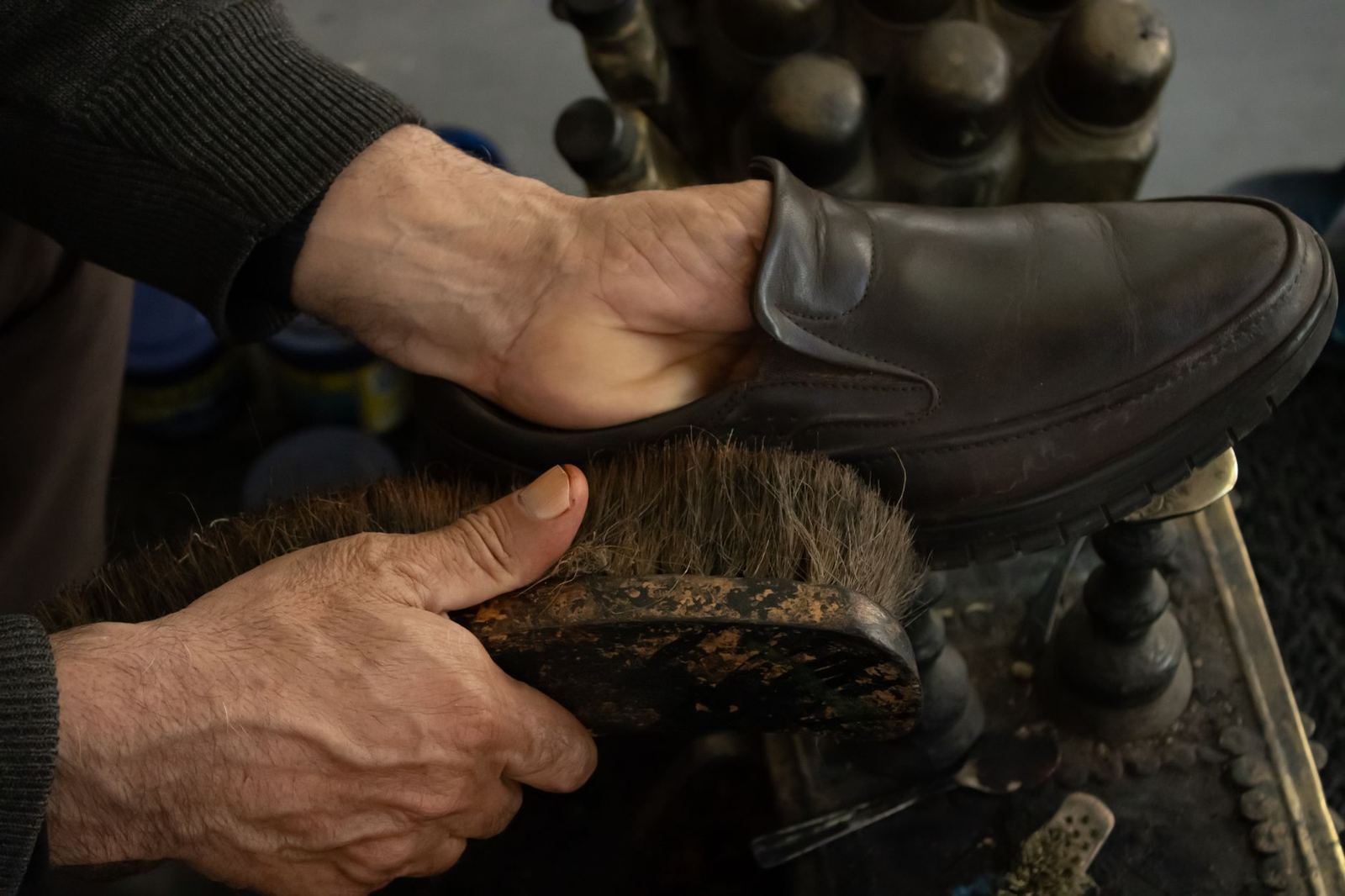
- Brush or wipe. Shoegazing says that after each use you should brush the shoes with a horsehair brush or wipe them with a damp cloth.
- Insert shoe trees. Put them in straight away to straighten the sole and creases so the shoes keep their shape.
- Let them rest. Give the shoes a day before wearing them again, and longer if they got really wet.
The rest period matters more than it sounds. The Shoegazing guide advises one day of rest, or two days if the shoes are really wet, because the upper leather, the sole and the cork filling wear much more when used while moist.
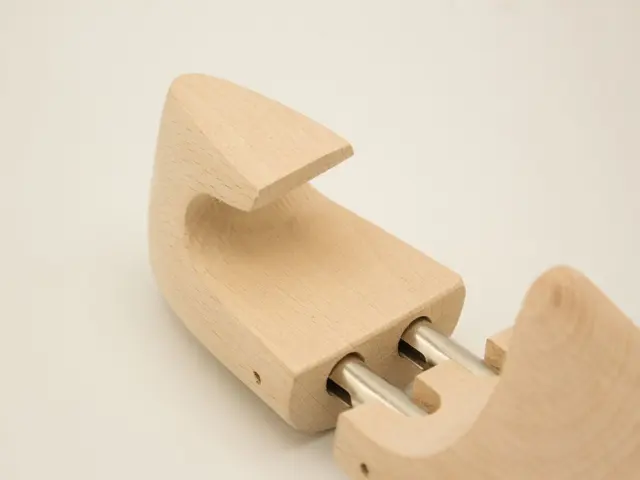
Shoe trees deserve a special mention. Cobbler Union’s care guidance says to insert them after every wear to help pull moisture from the soft leather lining, and notes that they also minimise creasing and add a deodorising element.
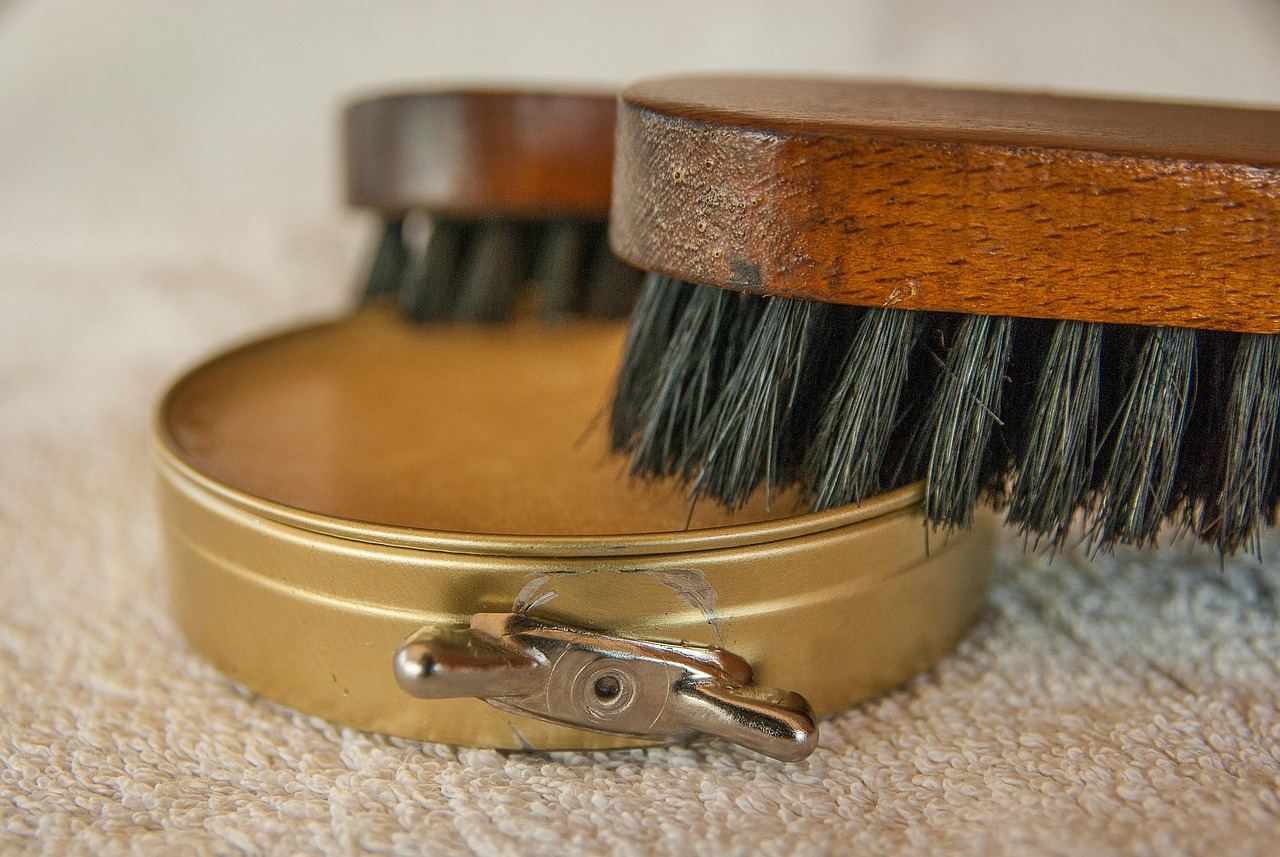
The wood matters. Bespoke Unit says shoe trees made from cedar or alderwood are an invaluable tool, because these woods wick moisture and your feet generate a lot of it every day.
Brush the welt and look after the laces
Brushing takes seconds and pays you back. According to The Modest Man, regular brushing extends the life of your shoes and may mean you need to polish less often.
Pay attention to the welt, the stitched edge where the upper meets the sole. Brush hardened dirt off it, because clean stitching lasts longer than dirty stitching.
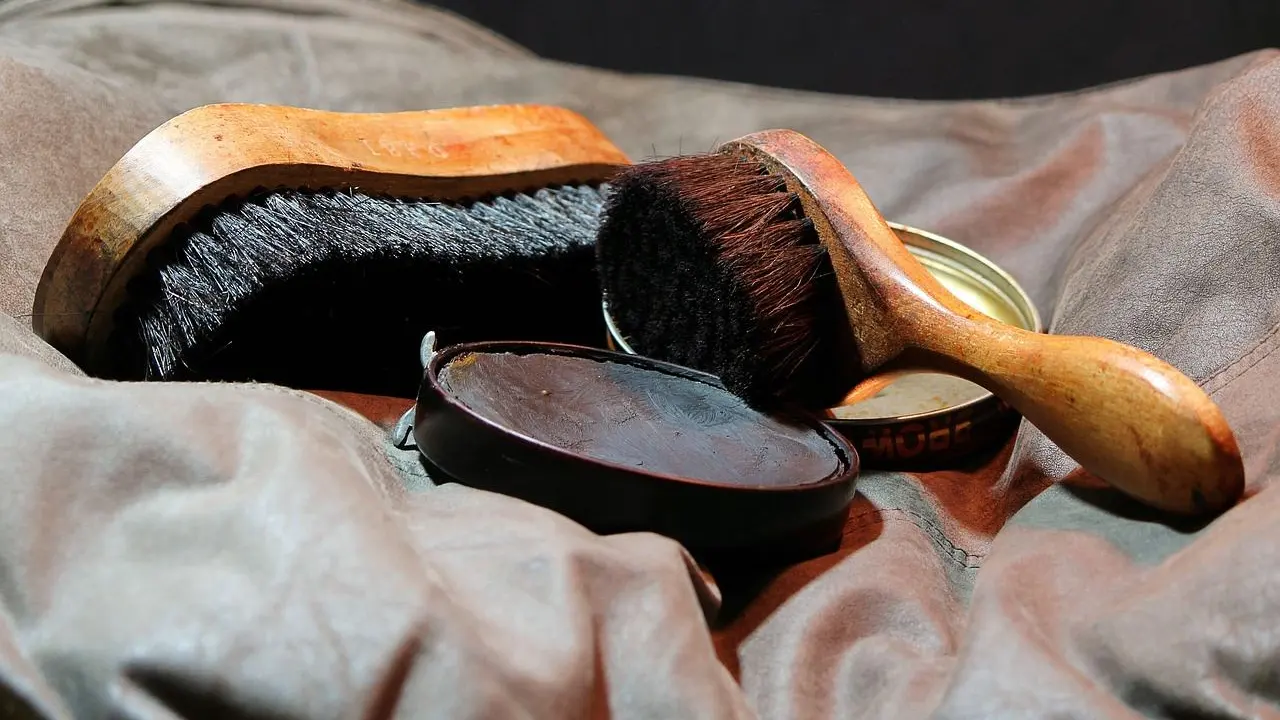
Keep a separate brush for polish. Using a polish brush to remove dirt can rub old polish onto the shoe, which may change the colour of lighter footwear.
Laces are the easiest thing to fix at home. Swap worn ones for a new pair, or wash grimy ones in warm, soapy water and let them dry.
Cleaning, conditioning and polishing leather
Leather care is a ladder of four stages: clean, condition, recolour or protect, then shine. You do not need to climb all of it every time, and Shoegazing suggests matching the effort to how the shoes are used.
- Full routine (cleaning, conditioning, recolouring and polishing): maybe once a year or so, to remove old cream and moisturise from scratch.
- Conditioning, recolouring and polishing: about every 3-4 months, depending on how often the shoes are worn.
- One round of cream and wax polish: about every 5-10 use, to restore the shine.
- Minimal care: shoe cream is the step the guide says you cannot skip, because it cares and protects.
The same author recommends giving new shoes a round of care before you wear them. The reasoning is that factory protection is often insufficient and the leather may have dried out in the box.
Cleaning
Start by removing the laces and wiping off dust and dirt. For everyday dirt, The Modest Man recommends saddle soap, a compound formulated for cleaning leather: work up a lather in the tin with a small brush, apply the suds, then wipe off the excess.
For very dirty shoes, Shoegazing suggests leather shampoo or soap washed under running water. The shoes then dry with crumpled newspaper and shoe trees inside, and the guide says they need at least overnight before the next step.
If you prefer not to rinse, a leather cleaner on a cotton cloth works too. Let the shoes rest for at least 30 minutes afterwards, and longer if they still feel damp.
Conditioning
Conditioner restores moisture after cleaning or polishing. The Modest Man says that if the leather still looks dry once the shoes have dried, you can apply conditioner 1 to 2 more times.
Be aware that many conditioners darken leather. Cobbler Union advises using only a small amount, working it in with your fingers and buffing with a horsehair brush once the leather has absorbed some.
Polishing and protecting
Choose the polish first. The Modest Man says almost any polish works on black shoes, while for brown shoes the safest choice is the polish the maker recommends, or a test in a hidden spot such as under the tongue.
If you want to avoid colour matching, use neutral polish. It adds a layer of protection and shine on top of the existing coat, which makes it a good fit for less common colours such as grey or navy.
A basic shine follows these steps, adapted from The Modest Man:
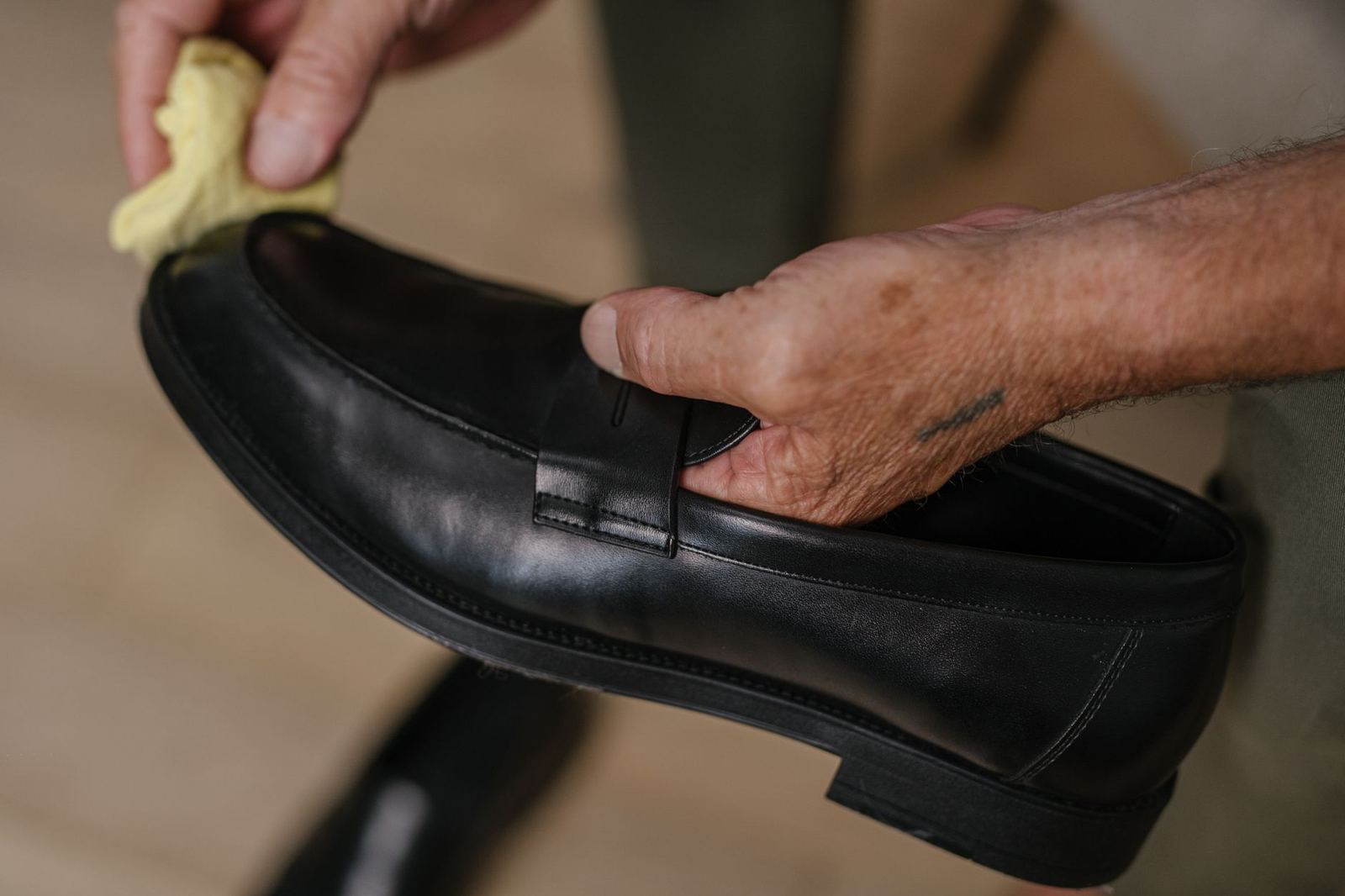
- Put a dab of the right colour polish on a rag.
- Spread it over the whole upper.
- Brush with a clean brush, vigorously if you like, because the heat helps the polish shine.
- Repeat the first three steps.
- Rub a few drops of water over the shoe with a stocking or an old polyester sock.
Cobbler Union gives a timing cue: leave the polish on for about five to ten minutes, until it has been absorbed, then buff with a horsehair brush. For a fast high gloss, Shoegazing describes an express spit shine method that it says takes 15 minutes.
When you want the full walkthrough, see how to polish leather shoes in the dedicated guide: how to polish leather shoes covers the process in more detail.
Finish with a protective layer. Cobbler Union suggests a few layers of wax on the toe and heel, buffed with a horsehair brush, as one effective option.
Edges and a tip on products
Edge dressing is a quiet trick for a fresher look. The Modest Man says to wipe the leather or rubber edges with the applicator, avoid the uppers, and let the shoes dry overnight.
On products, Shoegazing says mixing brands works well as long as you avoid products with silicone or other harsh chemicals. Check labels before you buy.
Special cases: suede, white sneakers, smells and wet weather
Not every shoe responds to cream and wax. Suede, bright white sneakers, smelly insoles and rain each call for their own approach, and the sources treat several of them as separate topics.
Suede
Smooth-leather polish is the wrong tool for suede. For the right method, read how to clean suede shoes in the focused guide: how to clean suede shoes.
Shoegazing adds a useful rule: impregnation spray is for suede or nubuck, not for regular leather.
White sneakers
White uppers show every mark, and Bespoke Unit’s care series treats white shoes as a separate topic from leather polishing. Step-by-step cleaning is covered in how to clean white sneakers, so you can match the method to the material.
Smells
Odour starts with moisture. Your feet generate a lot of it each day, which is why resting shoes and using cedar or alderwood trees are part of basic care.
If shoes still smell, read how to remove odor from shoes in the dedicated guide: how to remove odor from shoes. Drying properly between wears is the habit that makes any cleaning method last longer.
Wet weather
Polish gives some protection, but The Modest Man says that if you live somewhere particularly wet you will want to waterproof. Products range from mink oil to beeswax to silicon sprays, and you should follow the maker’s instructions.
Sources differ on sprays for smooth leather, so read each product label closely. For boots in particular, see how to waterproof leather boots in the focused guide: how to waterproof leather boots.
A little care before bad weather is cheaper than a repair afterwards. Dry wet shoes with trees inside and give them their rest days.
Which repairs can a cobbler handle, and what do they cost?
A cobbler repairs and recrafts shoes, while a cordwainer makes them, according to Bespoke Unit’s repair guide. The guide compares a good cobbler to a tailor for your suits.
What you can do at home
The Modest Man says many repairs are best left to professionals, but a lot of upkeep is easy to do yourself. Its list of home jobs covers:
- replacing or washing laces
- brushing
- cleaning with saddle soap
- conditioning and polishing
- edge dressing
- waterproofing
What a cobbler can do, with typical prices
The table below lists common men’s repairs with the average prices Bespoke Unit reported for the United States in its 2018 guide. Some shops charge more or less, and some offer deals if you bring in several pairs.
| Repair | Typical US average price |
|---|---|
| New heels | $30 |
| New soles | $35-$40 |
| New soles and heels | $60-$75 |
| Add Vibram rubber soles | $30-$45 |
| Heel and toe taps (not recessed) | $10-$15 |
| Indented toe taps | $25 |
| New leather insoles | $25-$35 |
| New leather heel liners | About $30 |
| Leather cleaning and reconditioning | About $20 |
| Stretch width and/or vamp | $20 |
| Waterproofing | $5 |
Most of these services should include a full polish and clean-up of the upper, which Bespoke Unit calls standard cobbler practice. Treat the prices as a guide to relative cost, not a quote.
Stretching and sole problems
Tight shoes are a common reason to visit a cobbler. The table above lists a width and vamp stretch, and the guide on how to stretch tight shoes covers home options: how to stretch tight shoes.
A sole that is peeling away from the upper is a different job. Read how to fix sole separation to understand your options, and ask a cobbler about new soles if the damage is severe: how to fix sole separation.
How long repairs take
Budget about a week for repairs, not counting weekends and holidays, according to Bespoke Unit. Allow a few extra days if you drop off several pairs, especially at a small shop.
Simple jobs such as non-indented taps and polishing can often be done while you wait.
Finding a cobbler you can trust
Use referrals from friends and online reviews to vet a cobbler. A good one gives an honest assessment of your shoes, and many people who expect a full rework turn out to need only new heels and a polish.
- Tell the cobbler about any issues you have had with the shoes.
- If you are offered a wide range of services, ask why each is needed.
- If you do not get a good answer, find a different cobbler.
Many cobblers can also customise the fit of a shoe, in the way a tailor tweaks a jacket.
Is it worth repairing your shoes or buying new?
The answer depends on how much you like the shoes. Bespoke Unit says that if you like them you should at least explore repair, and if you are not crazy about them you should simply buy something new.
Its rule of thumb is concrete: if the shoes retailed at $150 or more, explore repair before getting rid of them. The guide adds that Goodyear welt construction is relatively easy to repair, and that the cost is often a fraction of a new pair of similar quality.
Construction affects your options. The Modest Man says cemented and Blake-stitched shoes can sometimes be repaired, but Goodyear-welted shoes are often the best choice for long-lasting, repairable footwear.
A worked example
The Modest Man’s author describes buying a used pair of black oxfords for 10 bucks at a thrift store. After cleaning, conditioning and shining them at home and paying a cobbler $30 for new heels, he says he spent almost 90% less than he would have buying new.
He adds that three years later the shoes were still going strong with minimal upkeep. It is a single anecdote, but it shows how modest repair costs can be compared with replacement.
Sneakers and casual shoes
Athletic shoes and sneakers can be repaired by good craftspeople. Bespoke Unit notes that they tend to use more glue and less stitching, which makes them more difficult and more expensive to repair, so ask for a custom quote.
For running shoes the question is usually wear rather than repair. See when to replace running shoes for guidance: when to replace running shoes.
Repairs through the maker
Some makers repair and recraft their own shoes. Bespoke Unit’s repair guide names Allen Edmonds as one company offering in-house services for shoes that carry its name, as described on the repair guide page.
The guide’s reasoning is that such companies may use original materials, know the model well, track your repair and offer recourse if something goes wrong. Check what any maker offers for your specific shoes.
Repair or replace: a quick checklist
- Lean towards repair if you like the shoes, they retailed at $150 or more, or they only need heels and a polish.
- Lean towards replacing if you have outgrown the style or the shoes were never comfortable.
- Get a quote first for sneakers and glued shoes, which cost more to repair.
If a replacement is the right call, a look at current footwear trends can help you pick a pair you will keep wearing. Pair that with the care routine above to get the longest life from it.
Frequently asked questions
How often should I polish my shoes?
Show answer
Shoegazing suggests a full routine about once a year, a conditioning, recolouring and polishing round about every 3-4 months, and a single round of cream and wax polish about every 5-10 use. Adjust for how often and where you wear them, as described in Shoegazing’s guide.
How long does a shoe repair take?
Show answer
Bespoke Unit advises budgeting about a week, not counting weekends and holidays, as set out in its repair guide. Simple jobs such as polishing can often be done while you wait.
Do I really need shoe trees?
Show answer
Cobbler Union calls inserting them after every wear one of the most vital parts of shoe care, because they help pull moisture from the lining. Bespoke Unit says cedar or alderwood trees are an invaluable tool, thanks to their moisture-wicking properties.
Can sneakers be repaired?
Show answer
Yes, by good craftspeople, but they tend to cost more because sneakers use more glue and less stitching. Ask your cobbler for a custom quote, as Bespoke Unit advises.
Should new shoes get care before the first wear?
Show answer
One guide says yes. The Shoegazing author recommends giving new shoes a round of care, because factory protection is often insufficient and the leather may have dried out in the box.