Sore heels or squeezed toes after a day in new shoes? This footwear buying guide gives the short answer: measure both feet standing, shop in the afternoon, and test length, width and heel before you pay.
| Item | Value |
|---|---|
| Best time of day to shop | 2pm to 6pm |
| Space between longest toe and shoe end | About 1/2 inch (1.2 cm) |
| Adults in shoes that do not match their feet (one clinic’s cited claim) | 63-72 percent |
| Sitting versus standing measurement | 1/4-1/2 size smaller when sitting |
| Width scale | AA through 6E (men), AA through EE (women) |
| Pinch test at the widest part of the foot | About 1/4 inch of fabric |
These figures come from two podiatry clinic guides: a shoe buying guide and a shoe fitting guide. Figures can change, so check the source before you rely on them.
Why fit matters more than the brand on the box
A good fit is the one check every other decision depends on. A shoe with ideal cushioning and a smart design still fails if it squeezes your toes or lets your heel slide. That is why this guide starts with your feet, not with brand names.
One podiatry clinic’s fitting guide says studies show 63-72 percent of adults wear shoes that do not match their foot dimensions. It adds that the mismatch is usually in width, because most commercially available shoes are designed for average-width feet. Treat the percentage as that clinic’s claim rather than a settled figure, and use it as a reminder to check width as well as length.
The same guide names a list of problems that ill-fitting shoes can contribute to:
- Bunion development and hammertoe formation.
- Metatarsalgia and Morton’s neuroma.
- Ingrown toenails, corns and calluses.
- Diabetic foot ulceration.
Footwear is not always the only cause of foot trouble, so read that list as a reason to take fit seriously, not as a diagnosis. If you already have pain, a clinician is the right person to ask.
A label does not fix a poor match either. A podiatrist’s shoe guide warns that a “podiatrist recommended” sticker means nothing if the shoe doesn’t match your arch type, gait pattern and primary complaint. The same goes for any brand reputation or sale price.
Here is the order this guide follows:
- Measure both feet while standing.
- Shop at the right time of day, wearing the right socks.
- Inspect the shoe itself, from heel to toe box.
- Match the shoe to your activity and foot type.
- Know when a shoe swap is not enough.
Measure your feet before you shop
Most people carry one size number in their head and never question it. A podiatry fitting guide says your shoe size is not a fixed number: it is a starting point that varies between brands, shoe types and even between your two feet.
Dimensions also drift over time. A podiatrist’s buying guide notes that foot length and width change throughout adulthood, with pregnancy, weight changes, aging and previous injuries all affecting them. A size that worked years ago may not be right now.
Stand up, trace and measure
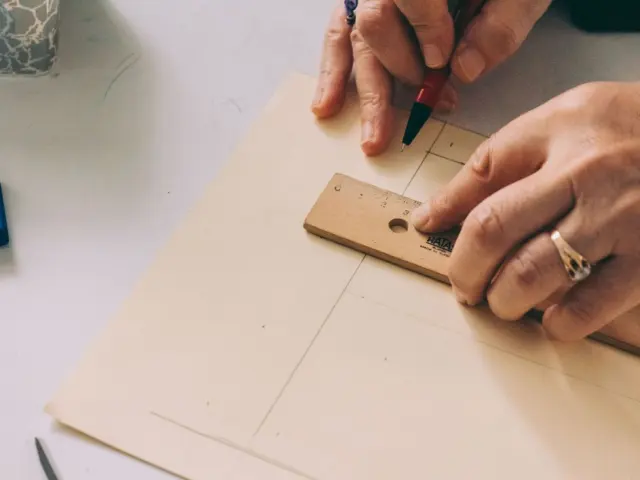
The same fitting guide describes a simple paper method you can do with a friend:
- Stand on a piece of paper with your full weight on the foot.
- Have someone trace the outline while you stand, because the foot spreads under load.
- Measure the longest distance from heel to toe, and the widest distance across the ball of the foot.
- Compare those numbers with the size chart of the brand you are buying, not a size from a different brand.
If you can get to a shoe store, the fitting guide recommends a Brannock device, the metal measuring tool found in shoe stores, for the most accurate measurement. It reads overall foot length, arch length from heel to ball, and width at the ball.
Standing matters. The buying guide explains that weight-bearing flattens the arch and lengthens the foot, and that sitting measurements are consistently 1/4-1/2 size smaller than standing ones.
For a slower, step-by-step method, read our guide on how to measure foot size at home.
Measure both feet and fit the larger one
Your two feet are rarely identical. The fitting guide says to measure both feet every time you buy shoes and to always fit to the larger foot. A walking-shoe guide from a Virginia clinic adds that many people have one foot up to a half-size larger than the other.
Width is half the story
Most store staff check length only. The buying guide points out that width runs from AA through 6E for men and AA through EE for women, and that the right length in the wrong width causes bunions, corns, hammertoes and neuromas.
If shoes always pinch at the sides or feel loose in the heel, our explainer on how to find the right shoe width goes deeper on reading width labels.
When and where to shop
Feet change size across the day. The buying guide says they swell up to a full shoe size by late afternoon, and recommends shopping between 2pm and 6pm, when your feet are at their largest.
The logic is simple. A shoe fitted in the morning may feel comfortable at first and then turn painfully tight by the evening. Fitting at your biggest means the shoe still works at the end of the day.
What to bring to the store
The fitting guide advises taking a few things with you:
- The type of socks you intend to wear with the shoes.
- Your orthotic insoles, if you use them, because an insole changes the internal volume of the shoe.
- A willingness to remove the factory insole and test the shoe with your own insert in place.
Specialty stores, department stores and online
For athletic shoes, the buying guide says specialty running and walking stores offer gait analysis, trained staff and a return policy that lets you test shoes on real surfaces. Department stores offer price and convenience, but usually less expertise. If you have a specific foot condition, a specialist consultation can be worth a higher price.
Online buying works best when you replace a shoe you already know works. The same guide calls it a gamble for first-time purchases of a new model, especially from brands you haven’t worn before. If you do order online, check the return terms before you pay and test the shoes indoors on a clean floor.
What to check on the shoe itself
You do not need a lab to judge a shoe. A few hands-on checks, drawn from the podiatrist’s shoe buying guide, will tell you more than the marketing copy on the box.
- Heel counter: the stiffened cup at the back of the shoe. Squeeze it from both sides; it should feel firm and spring back, not collapse under moderate pressure.
- Shank: the structural plate between insole and outsole. Hold the toe and heel and try to twist the shoe in opposite directions; it should resist firmly.
- Midsole: where cushioning and support live. EVA is described as the industry standard, lightweight and comfortable, while polyurethane is denser and more durable but heavier.
- Outsole: harder rubber compounds last longer, while softer blown rubber gives better traction on smooth surfaces.
- Toe box: stand in the shoe and wiggle all your toes. They should move freely without touching the upper.
- Last: the form the shoe is built around. A straight last is described as better for flat feet and a curved last as better for high arches.
Durability follows from these choices. A firm heel counter, a shank that resists twisting and a sturdier outsole compound all point to a shoe built to last. A flimsy, easily twisted shoe is the one to leave on the shelf.
The fit tests to run before you pay
Do these checks with both shoes on, laced normally, standing on a hard floor:
| Test | What to do | What you want to find |
|---|---|---|
| Thumb test (length) | Press your thumb between your longest toe and the front of the shoe. | One full thumb width without pressing hard. |
| Pinch test (width) | Pinch the upper at the widest part of your foot. | A small amount of fabric, about 1/4 inch; fabric stretched flat means too narrow. |
| Heel slip test | Walk briskly with the shoe laced normally. | A heel that stays put instead of lifting. |
| Toe wiggle test | Stand and move all your toes. | Free movement without touching the upper. |
The fitting guide calls the thumb’s width rule the gold standard: roughly 1/2 inch (1.2 cm) between the tip of your longest toe and the end of the shoe. The buying guide adds that more than 1.5 thumb widths is too long, because the shoe will twist as your foot slides forward.
Check which toe is longest. The buying guide says about 20% of people have a second toe that is longer than the big toe, so fit to whichever toe reaches furthest.
Match the shoe to your activity and foot type
Once the fit basics are covered, the next question is what the shoe is for and what your foot needs. A walking-shoe guide from a Virginia podiatry clinic suggests starting with the wet foot test: step out of a shallow pan of water onto cardboard or a paper bag and look at the print.
On that test, a flat foot leaves a complete footprint showing the entire sole. A high arch leaves a narrow connecting strip or none at all, with just the heel and ball visible. A normal arch sits between the two.
Why does it matter? A podiatrist’s guide warns that a motion-control shoe ideal for severe overpronation will worsen symptoms in a high-arch foot. Matching the shoe to your foot, not to a trend, is the point of the whole exercise.
If your print looks flat, our roundup of the best shoes for flat feet covers what to look for in more detail.
By activity
Different activities put different demands on a shoe. These are our guides for the most common ones:
- Runners will find a full walkthrough in our guide on how to choose running shoes.
- Everyday walkers can read how to choose walking shoes for a focus on comfort over distance.
- Anyone heading onto rough ground should see how to choose hiking boots.
- If your job keeps you on your feet, our page on what to look for in work boots is the place to start.
- For growing feet, read how to buy shoes for kids.
Walking deserves a special note, because it adds up. The Virginia clinic’s guide says your feet absorb two to three times your body weight with every step, and that a typical day involves between 4,000 and 6,000 steps. Your shoes either cushion those impacts or fail to.
By foot condition
Some conditions call for specific features. The walking-shoe guide lists these pointers:
- Diabetes: shoes with extra depth, seamless interiors and soft, non-binding uppers to prevent pressure points that could develop into ulcers.
- Plantar fasciitis: firm heel counters and substantial arch support to reduce strain on the inflamed tissue.
- Foot arthritis: rocker soles that reduce the bending motion needed at the toe joints.
- Bunions or hammertoes: wide toe boxes that accommodate deformities without friction.
These are general pointers from clinic guides, not a diagnosis or a treatment plan. This site is independent and educational, and it does not offer consultations, so a qualified clinician is the right person for a personal recommendation.
Know when shoes are not enough
Shoes help, but they have limits. A podiatry clinic’s shoe guide says that if pain persists past a shoe swap, your foot is asking for diagnostic imaging and a real plan.
A timeline can help you decide. The fitting guide says most foot and ankle problems respond to conservative care, including proper footwear, within 4-8 weeks. Persistent pain beyond that window, or any symptom that prevents walking, warrants a podiatric evaluation to rule out fracture, tendon tear or a systemic cause.
Once you own a good pair, keeping it in shape is the next job, and our section on shoe care and repair covers that. If you like to see what is changing in styles before you buy, our overview of footwear trends tracks it.
Frequently asked questions
What time of day is best for buying shoes?
Show answer
Late afternoon or early evening. The buying guide recommends shopping between 2pm and 6pm, when your feet are at their largest.
How much room should I leave at the toe?
Show answer
About one thumb’s width, which the fitting guide puts at roughly 1/2 inch (1.2 cm), between your longest toe and the end of the shoe. Check this while standing with your full weight on the foot.
Should I buy shoes online?
Show answer
It is a reasonable choice for replacing a model you already know works, according to the buying guide. For a new model or an unfamiliar brand, trying them on in a store first is the safer route.
Are both of my feet the same size?
Show answer
Often not. The Virginia clinic’s guide notes that many people have one foot up to a half-size larger, so measure both and always fit to the larger foot.
Does a “podiatrist recommended” label guarantee a good shoe for me?
Show answer
No. A podiatrist’s guide says the label means nothing if the shoe doesn’t match your arch type, gait pattern and main complaint. Fit and foot type come first.