
Shoes that fit in length but pinch the sides? Here is how to find the right shoe width: measure your foot late in the day, read the letter code, then test the fit. Charts vary by brand.
For the bigger picture on fitting, our footwear buying guide covers the other steps of a good purchase.
| Item | Value |
|---|---|
| Standard men’s width | D |
| Standard women’s width | B |
| Rule-of-thumb step between widths | About 3.18 mm |
| Average ball width of a men’s US 9 medium (D) shoe in one lab test | 94.4 mm |
| Internal length range found within one US size 9 | 255 to 281 mm |
These figures come from Running Warehouse and RunRepeat. They can change, so check the source before you rely on them.
Signs your shoes are too narrow or too wide
Width problems show up early, and many people blame them on a long break-in. RunRepeat says a shoe should feel right and comfortable straight from the box, so don’t rely on a break-in period to change the fit significantly.
Running Warehouse notes that shoes that are too narrow can cause blisters, discomfort or foot fatigue. You may need a wider shoe if you notice any of these signs, as listed in its wide-width guide:
- Your toes feel bunched together or overlap in the toe box.
- Blisters form on the outside of your big toe or your pinky toe.
- You feel numbness or tingling in the feet.
- Your foot spills over the side of the shoe.
Too wide is the opposite problem. A guide from the UK shoemaker John White lists heel slipping with every step, and laces that need pulling exceptionally tight to hold the foot, as signs of a shoe that is too wide.
What do shoe width letters mean?
Running Warehouse explains that the shoe industry uses numbers for the length of a shoe and an alphabetical system for its width, as described in its width guide. The letters then shift meaning depending on whether the shoe is made for men or women.
The common US mapping, as given by Orthotic Shop, looks like this:
| Width label | Women’s letter | Men’s letter |
|---|---|---|
| Medium (standard) | B | D |
| Wide | D | 2E (EE) |
| Extra wide | 2E (EE) | 4E |
The trap is that one letter means two things. Size.ly sums it up: B is medium for women but narrow for men, D is medium for men but wide for women. Some brands skip the letters and use N, M and W, so a women’s shoe marked 9W is roughly a 9D, and a men’s 10M is a 10D.
Sources do not agree on every boundary. Samuel Hubbard’s guide says a men’s wide typically starts at E, and that a women’s 2E or larger counts as extra wide. If a shoe does not state its width, it is usually safe to assume it is a medium, according to the same guide.
How to measure your foot width at home
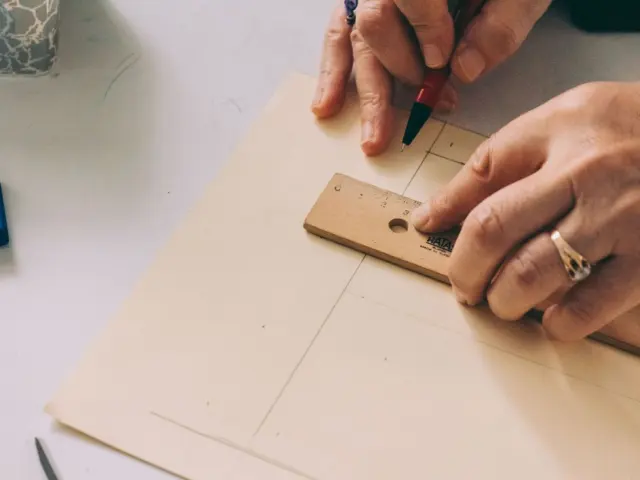
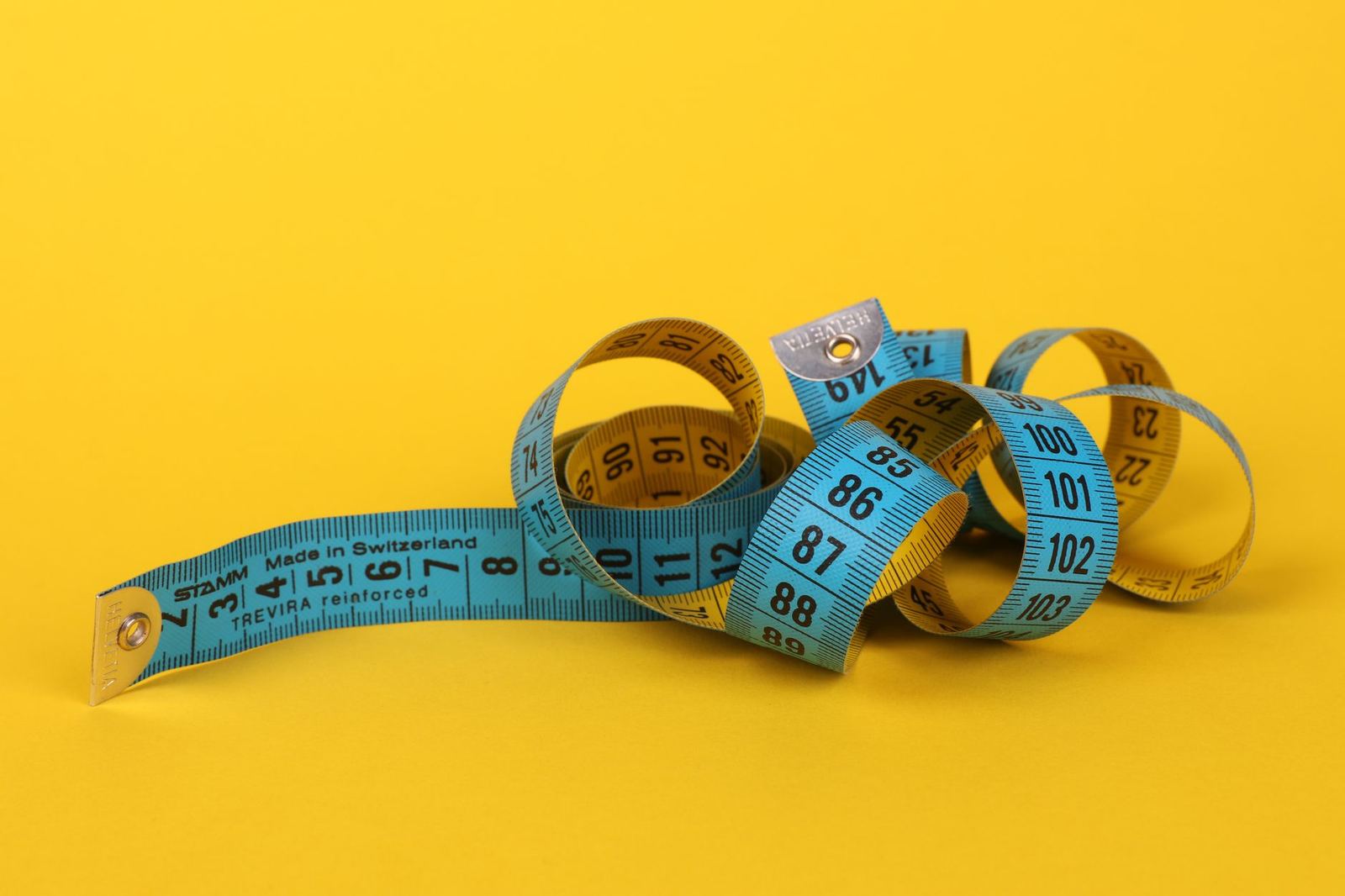
You only need paper, a pencil and a ruler. These steps combine advice from RunRepeat and John White:
- Measure in the evening, when your foot is at its fullest shape.
- Stand on a hard surface with your weight spread equally on both legs, barefoot or in the socks you plan to wear.
- Trace both feet, holding the pencil vertically rather than angled, because it is normal for one foot to be longer than the other.
- Measure the widest point, typically across the ball of the foot just behind the toes.
- Compare your larger foot with the brand’s width chart at your shoe length.
Length matters because the same width reading can map to different letters. Size.ly gives the example that a 3.8″ / 9.7 cm wide foot is a medium (B) at a US women’s 10 but a wide (C/D) at a US women’s 7. So always read your width against your own size row.
Another option is a Brannock Device, which Samuel Hubbard describes as a tool used to professionally measure feet. It is mostly used for length, but it also has a slider for width.
Recheck regularly, because feet change. The same Samuel Hubbard guide cites the Cleveland Clinic as saying it is common for feet to grow wider with age, and RunRepeat suggests you measure every year and right before looking for new shoes. Children’s feet change even faster, so our guide on how to buy shoes for kids is a useful next read.
Why the same letter fits differently by brand
There is no universal standard, so RunRepeat says it is hard to pick the right width without trying a shoe on. The rule of thumb is a difference of about 3.18 mm between widths, but its guide notes that is not always true.
The same guide compares men’s US 9 shoes from two brands. A HOKA medium (D) is listed at 100 mm and a New Balance medium at 104 mm, while the wide (2E) is 108 mm and 107 mm. RunRepeat adds the caveat that it does not know exactly how the brands took these measurements.
Its own lab test is more consistent. Across 850+ shoe moulds in a men’s US size 9 medium (D), the average width was 94.4 mm, but the range ran from 86.2 mm to 102.4 mm.
Design plays a part too. Orthotic Shop says materials such as knit versus leather, the last shape and the depth all affect how a width feels. John White adds that Derby shoes, where the lace facing is stitched on top of the vamp, offer the most adjustability for wider feet.
Do not forget length. RunRepeat says Mondopoint-style sizes refer to the insole length, which should be at least 5 mm larger than your actual foot length, so a 263 mm foot suits a size 270. Even within one US size 9, it found internal length ranging from 255 to 281 mm.
Should you size up instead of buying wide?
Usually not. Samuel Hubbard calls moving to a longer shoe a common band-aid fix that gives a bit of extra width but leaves extra space in the heel or toe box. That can cause chafing or blisters, alter your gait and even lead to tripping, according to the same guide.
Orthotic Shop agrees: going longer can push your flex point out of alignment and cause heel slip, so stay in your correct length and choose the right width. If you wear thick orthotics or cushioned socks, it suggests moving up one width category.
Once a pair is on, RunRepeat’s fit check is a simple three-point test:
- Heel: locked in and not slipping when you bend the foot, walk or run.
- Midfoot: snug but not tight, with no pinching.
- Toe box: a thumb’s width of space beyond your longest toe, and room for the toes to splay sideways without pressure.
If you fall between two widths, John White advises going wider, since a slightly roomy shoe can be refined with insoles or thicker socks. Racing shoes are a special case, as RunRepeat notes they need a snug, second-skin-like fit, so see how to choose running shoes in our guide on how to choose running shoes before you buy.
Frequently asked questions
What is the standard shoe width?
Show answer
Running Warehouse says the standard width is a D for men and a B for women, in its width guide. If a shoe does not state a width, Samuel Hubbard says it is usually safe to assume it is a medium.
What does extra wide mean in shoes?
Show answer
Orthotic Shop says extra wide usually means 2E for women and 4E for men. It adds more forefoot and toe-box space, plus a bit more volume through the upper.
Which foot should I fit the shoe to?
Show answer
Measure both feet and fit to the larger one. John White’s guide points out that most people have one foot that is slightly larger.
Do all shoes come in wide sizes?
Show answer
No. Samuel Hubbard notes that not all brands offer widths in every increment, and that 2E and 4E are the most common.
Can my foot width change over time?
Show answer
Yes. RunRepeat lists increased or decreased physical activity, bunions, arthritis, weight gain and pregnancy among the factors, and suggests you measure your feet every year, per its sizing guide.