Wondering whether 3D printed shoes are real footwear or just a lab stunt? They are real: brands now sell single-piece printed sneakers, though prices run high and comfort questions remain.
This guide sits within the wider footwear trends coverage on this site.
| Item | Value |
|---|---|
| Nike Air Max 1000 base design | Air Max 1 from 1987 |
| Air Max 1000 standard edition price (July 2025 report) | €479 |
| adidas CLIMACOOL original retail price | $140 |
| Reported print time, CLIMACOOL LACED | 24 hours |
| Airflow claim for CLIMACOOL | 360° |
| zellerFOAM recyclability claim | Said to be 100% recyclable |
These figures come from VoxelMatters’ July 2025 report and MaterialDistrict’s August 2025 story. Prices and product claims can change, so check the source before you rely on them.
How 3D printed shoes differ from conventional sneakers
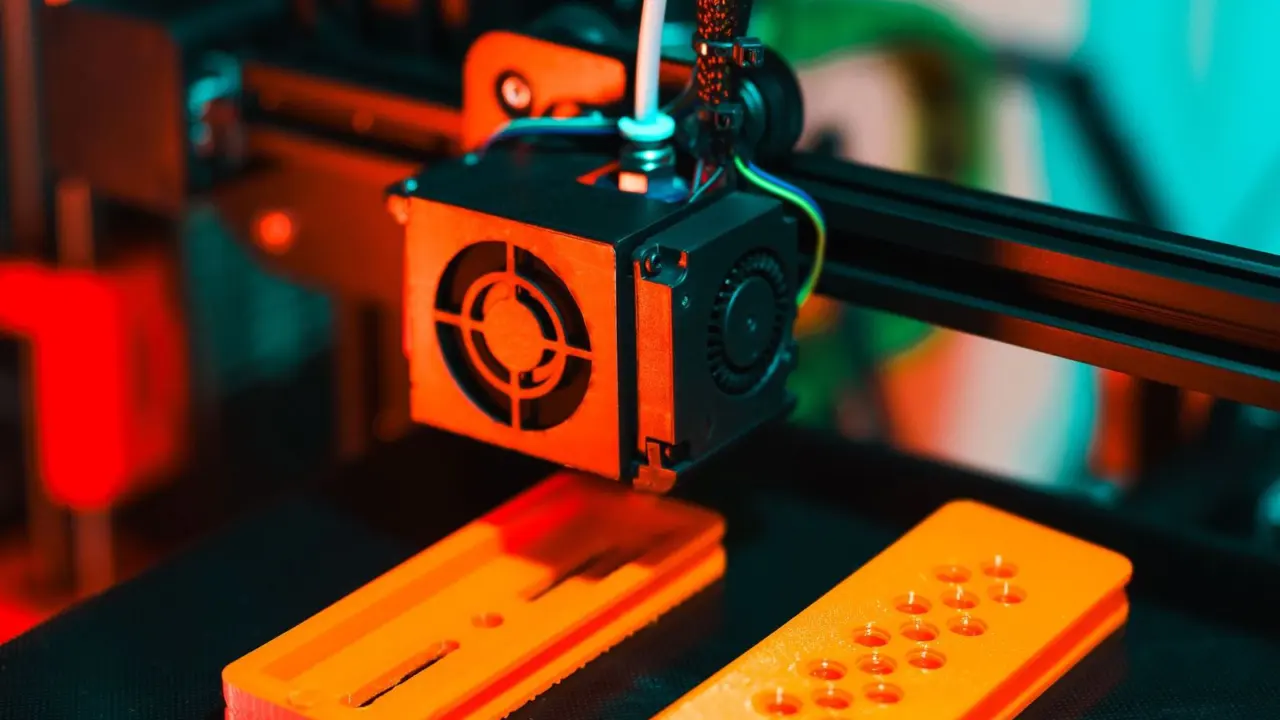
Conventional sneaker production involves many cutting and assembly steps. VoxelMatters wrote in July 2025 that making a shoe as a single piece streamlines production and removes the need for surplus materials such as adhesives.
The same report points to three practical benefits of the approach:
- Fewer steps: cutting and assembly steps tied to traditional sneaker production are minimised.
- Less extra material: adhesives, which make conventional shoes difficult to recycle, are no longer needed.
- Tailored feel: a lattice design can be used to adjust cushioning, density and support.
Footwear brands are increasingly exploring 3D printing for high-performance shoes, according to that report. Airflow and comfort are the headline attractions, because a monolithic lattice can be open and breathable.
Another report, from Global Design News in January 2025, describes a single flexible material that varies in density to provide support and comfort. That removes traditional assembly methods such as stitching and adhesives.
The Nike Air Max 1000 and Zellerfeld
The Air Max 1000 is a new version of the 1987 Air Max 1, according to MaterialDistrict’s August 2025 story. It was made in collaboration with Zellerfeld, a company known for fully 3D-printed shoes, and Global Design News describes the company as Berlin-based.
The shoe is laceless and slip-on, and Nike’s Air cushioning is integrated for impact absorption. The shoe keeps the wavy mudguard pattern of the original design.
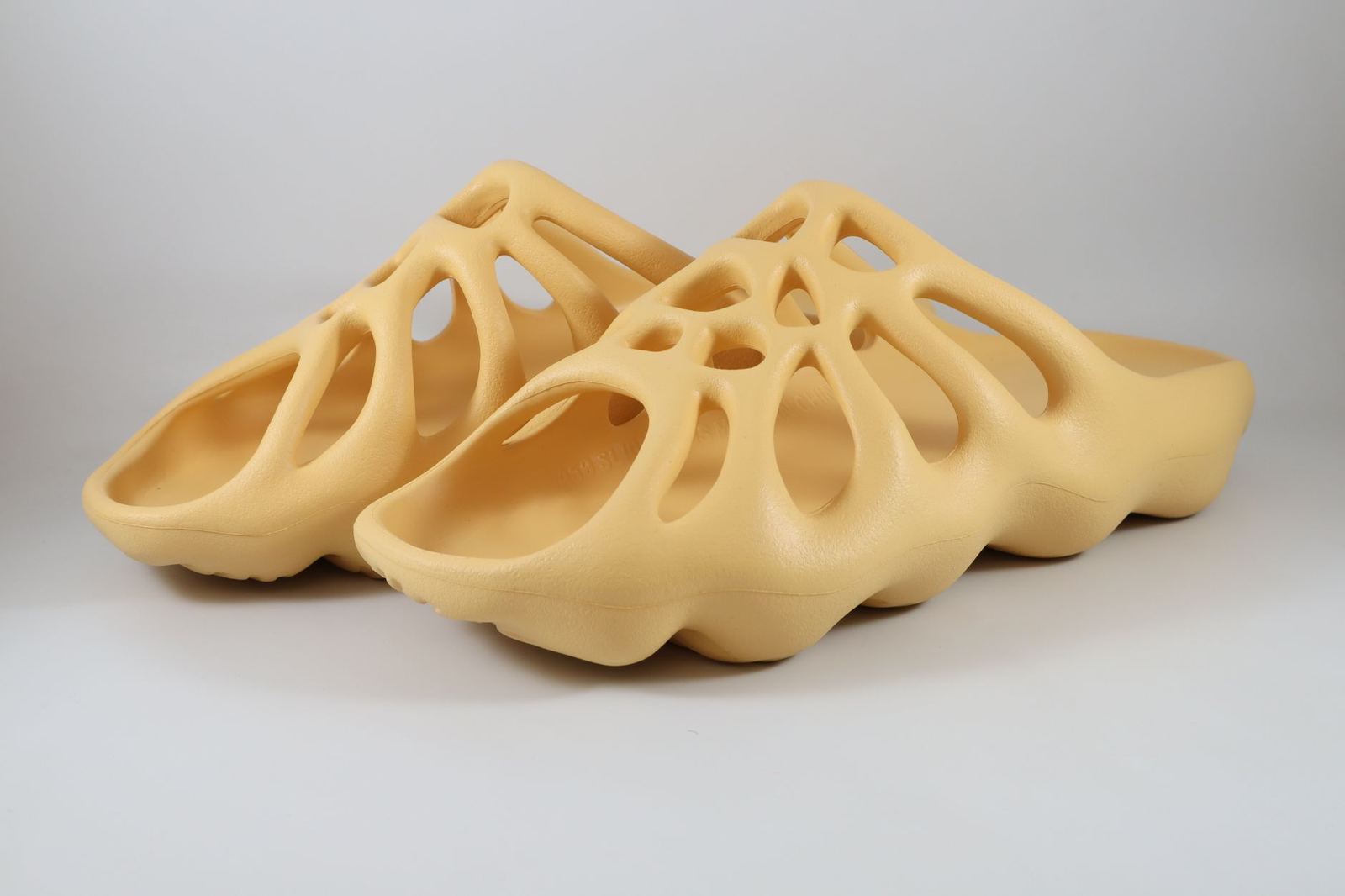
As VoxelMatters reported in July 2025, Nike debuted the Air Max 1000 as its first fully 3D printed sneaker. The standard edition was listed at €479 from several online retailers at that time.
Availability was not always clear. When the prototype was shown at ComplexCon 2024, 3DPrint.com noted it remained uncertain whether the sneaker would be released commercially. The later retail listing suggests that question has since been answered.
adidas CLIMACOOL and the lattice approach
adidas offers a different take. It first launched CLIMACOOL in 2024, according to VoxelMatters, as a single-piece shoe with a lattice structure that offers 360° airflow.
The original CLIMACOOL retails for $140, and the newer CLIMACOOL LACED version adds laces. The LACED shoe reportedly takes only 24 hours to 3D print.
The same report notes that adidas does not specify the technology used. Its earlier Futurecraft 4D footwear used Carbon’s Digital Light Synthesis technology.
Fit, materials and recycling
Printed shoes lean on digital fitting. MaterialDistrict says Zellerfeld’s approach uses a digital foot scan, and customers can complete it with only a sheet of paper and a mobile phone camera in a browser-based process.
The Air Max 1000 is made from zellerFOAM, a thermoplastic polyurethane (TPU). The same story says this material is said to be 100% recyclable, breathable, washable and odour resistant. Treat that as the maker’s claim rather than independent testing.
Sustainability arguments follow a clear logic:
- Additive manufacturing reduces excess material waste.
- On-demand production can help prevent overproduction.
- A single material may simplify recycling, since parts need not be separated.
Zellerfeld has previously tested closed-loop systems in which worn shoes are returned, shredded and reprinted. MaterialDistrict calls this a potential route to circular production if adopted more widely, not a proven norm.
The scan is meant to beat standard sizing. MaterialDistrict says it creates a model of the wearer’s feet, enabling a more accurate fit than standard sizing, and that the fit can improve over time as the material adapts to the wearer’s foot shape. Both points come from the story’s description of the product, so treat them as the maker’s expectations rather than a guarantee for your own feet.
The same story credits the material’s resilience and flexibility for making it suitable for repeated wear. Cushioning comes from custom-engineered printed midsoles, and the story describes the material as breathable, washable and odour resistant. Those are useful details if you are weighing a printed shoe against a conventional one for daily use, though the 3DPrint.com concern about weight and heat noted below still applies.
MaterialDistrict also says the approach has potential applications beyond footwear, including sports equipment, automotive interiors and consumer goods. In other words, the shoe is a showcase for additive manufacturing, recyclable materials and digital customisation working together. Whether those ideas spread widely is still an open question.
What are the drawbacks of 3D printed shoes?
Printed shoes are not flawless. 3DPrint.com described a well-known issue with TPU-based shoes: a tendency to be heavy and prone to trapping heat.
Keep these points in mind before you buy:
- Weight and warmth: try a pair on if you can, since TPU can feel heavy and hot.
- Price: the Air Max 1000 standard edition was listed at €479 as of VoxelMatters’ July 2025 report.
- Unproven claims: recyclability and circular systems are described as claimed or potential benefits.
- Changing availability: editions, retailers and prices move, so verify them with the seller.
Comparing brands on price alone can mislead. The €479 Air Max 1000 and the $140 original CLIMACOOL are different products from different companies, sold in different currencies and markets.
Where printed footwear fits in sneaker culture
Printed sneakers arrive in a world where hype, collaborations and limited editions already drive attention. If you want context on how that appetite formed, the history of sneaker culture is a good place to start.
The Air Max 1000 also shows how designers revisit familiar shapes with new methods. If you like bold, oversized silhouettes, the chunky sneaker trend covers a related look.
Whether printing becomes routine depends on comfort, price and proven recycling. For now, treat it as a promising technology that is still being tested in the open.
Frequently asked questions
Are 3D printed shoes recyclable?
Show answer
The zellerFOAM material used in the Air Max 1000 is said to be 100% recyclable, according to MaterialDistrict’s August 2025 story. That is a claim about the material, and closed-loop systems have so far been tested rather than widely adopted.
How do printed shoes get their fit?
Show answer
Zellerfeld’s approach uses a digital foot scan. Per MaterialDistrict, you need only a sheet of paper and a mobile phone camera, and the process runs in a browser.
How much do 3D printed shoes cost?
Show answer
It varies by model. VoxelMatters reported in July 2025 that the Air Max 1000 standard edition sold for €479 and that the original adidas CLIMACOOL retails for $140. Check current listings with the retailer.
Which brands make 3D printed shoes?
Show answer
Reports name Nike, working with Zellerfeld on the Air Max 1000, and adidas, with its CLIMACOOL line. Other brands and startups also work in this area, so this is not a complete list.