
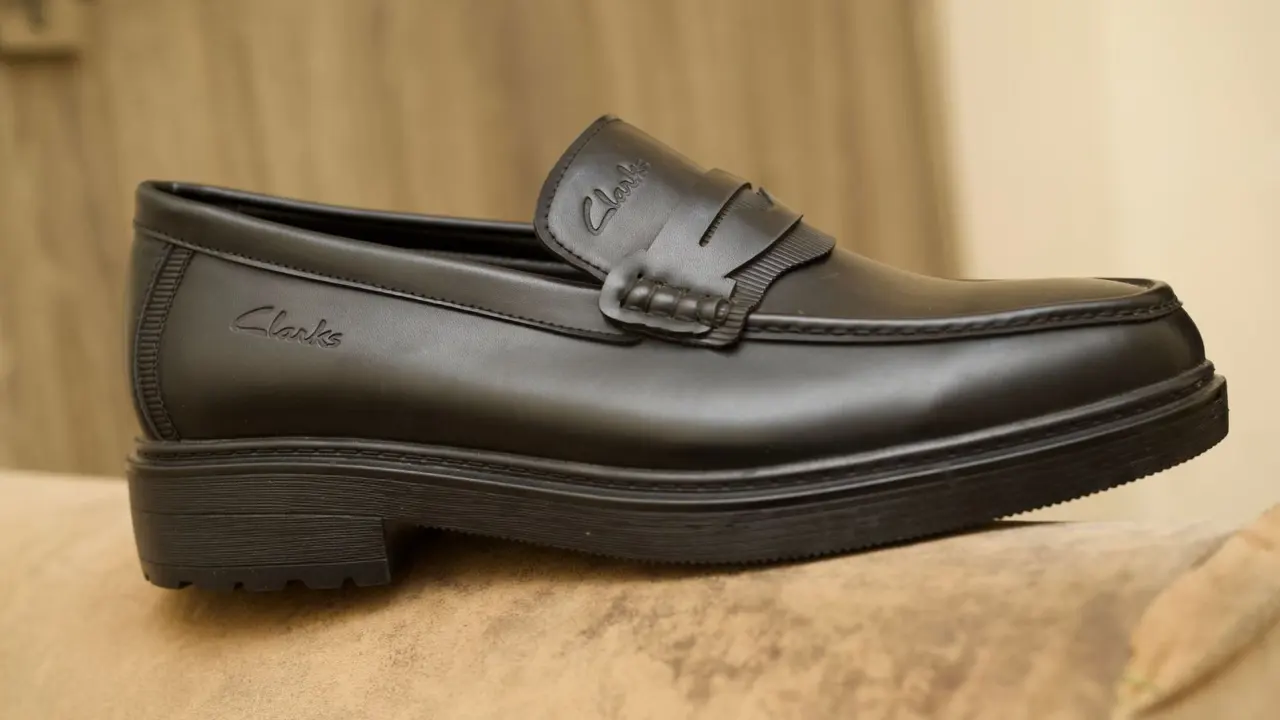
Wondering about the loafer trend and why it never fully fades? Loafers keep returning because they are laceless, easy to wear and endlessly reworked, from penny to horsebit to ruched styles.
This guide sits within our wider coverage of footwear trends.
| Milestone | Value |
|---|---|
| Spaulding Leather Company trademarks its Loafers line | 1933 |
| G.H. Bass launches its Weejuns version | 1936 |
| Gucci Horsebit loafer is born | 1953 |
| Gucci sales in American stores by 1969 | 84,000 pairs a year |
| Loafer joins the MoMA permanent collection | Since 1985 |
Figures come from nss magazine’s loafer guide and Collectors Weekly. Accounts of loafer history differ and figures can change, so check the sources before you rely on them.
What makes a loafer a loafer
A loafer is, at its simplest, a laceless slip-on shoe. Gentleman’s Gazette breaks the style down into a few traits:
- No laces: a loafer is a slip-on shoe.
- Open ankle: the ankle is exposed, and the shoe does not wrap snugly around it.
- Small heel: loafers typically have a relatively low-profile heel.
- Decoration: a saddle, tassel or horse bit usually sits across the vamp.
People often mix up loafers and moccasins. According to nss magazine, the original moccasin has no separate sole or heel, so today it is represented by driving shoes and slippers.
That simple recipe is part of the appeal. A shoe with no laces and a few small details is easy to dress up or down, which gives designers plenty of room to rework it.
Where loafers came from
The loafer has several origin stories, and most of them start in Norway. Footwear News reports that these shoes were popular in Norway in the 19th century among fishermen. Another account says a shoemaker named Nils Tveranger, from the village of Aurland, made shoes inspired by Native American moccasins and a local fishermen’s slip-on called the tesser.
Americans met the shoe on their travels, and Esquire magazine began promoting it, as Gentleman’s Gazette tells it. In 1933, the Spaulding Leather Company of New Hampshire reportedly trademarked its line of men’s footwear as Loafers, according to Collectors Weekly.
Then, in 1936, G.H. Bass launched its version, the Weejuns. Analog:Shift says the name was supposedly chosen for the shoe’s Norwegian origins.
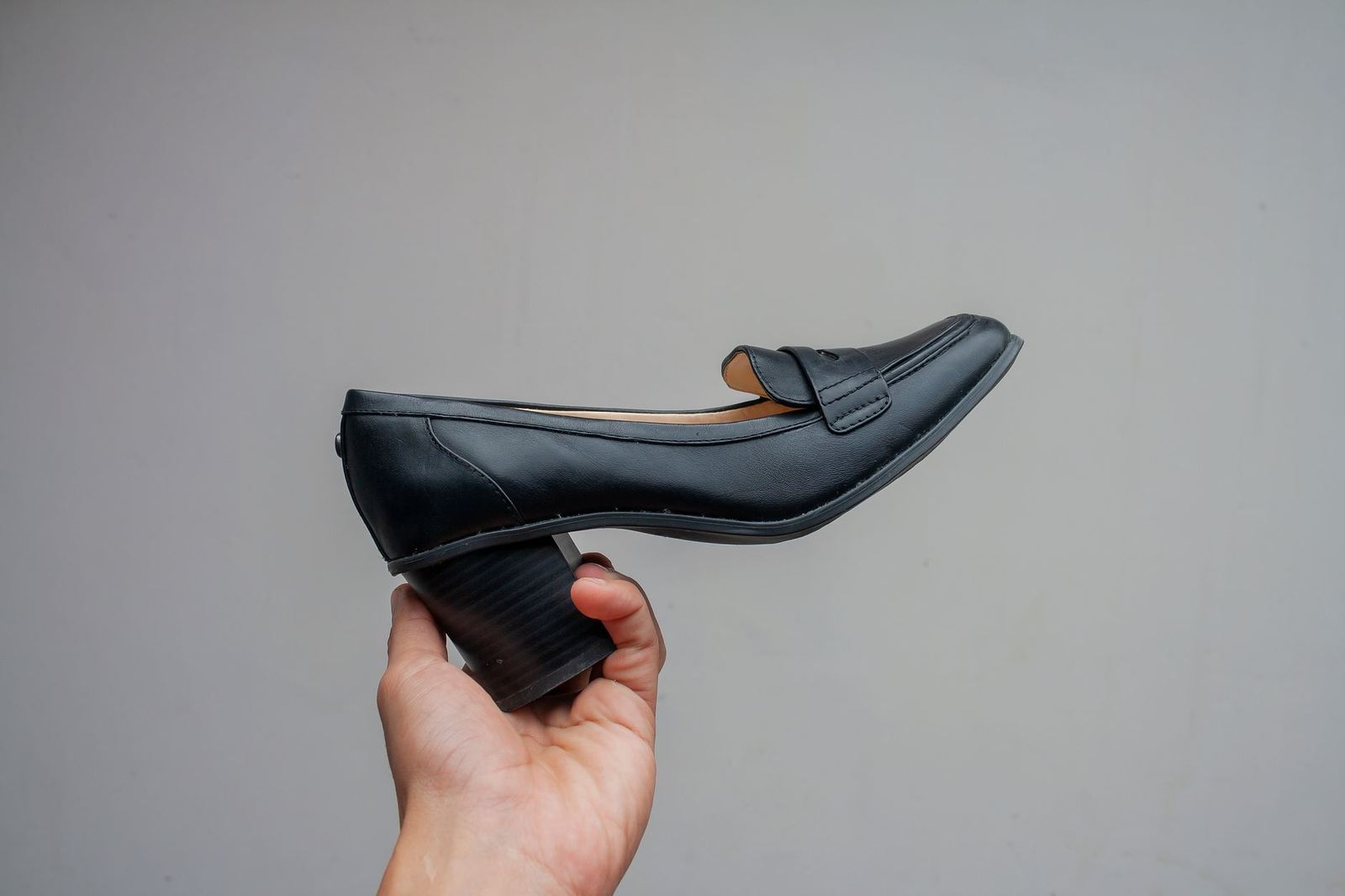
How loafers earned a place in every wardrobe
The penny loafer got its nickname from college students. nss magazine says the name emerged in the 1950s among American college students who slipped a coin into the slot. The popular story that the coin was for emergency phone calls is a legend, since Bell System payphones of the era required dimes, not pennies.
The shoe did not stay on campus. The same guide says the Duke of Windsor wore loafers with suits. Analog:Shift adds that in the 1980s in New York City, the Wall Street banking class adopted the penny loafer and paired it with more formal suiting.
Gucci pushed the shoe further. According to W Magazine, the house brought out its dressy loafer in response to the rise of comfortable moccasins such as the Bass Weejuns. In nss magazine’s telling, Aldo Gucci refined the silhouette, added a gold-tone bit and produced the shoe in black rather than the usual brown, and the Horsebit was born in 1953.
The result crossed dress codes. W Magazine notes that before the advent of the sneaker, it was one of the few casual shoes acceptable in corporate boardrooms and country clubs alike. By the 1970s, it was being photographed on a teenage Jodie Foster while she skateboarded.
Why is the loafer trend back now?
The latest return has a clear starting point. nss magazine says that around ten years ago, with the boom of Gucci under Alessandro Michele, the idea that a loafer could be worn with jeans entered the collective consciousness. Within a few years, it adds, the more grown-up loafer eclipsed the youthful sneaker.
Designers keep giving it new shapes, which helps the loafer trend feel fresh each time. The same guide credits The Row and Saint Laurent, in part, for the growing popularity of the ruched loafer, with its soft, gathered leather. Footwear News reports that Gucci has updated the silhouette with options like mules, platforms and even slingbacks.
Chunkier takes appear too. Footwear News notes that chunky loafers with lug soles are regularly spotted on streetwear trend-makers, as reported in the same history of loafers. W Magazine adds that Sabato De Sarno unveiled a flatform version of the famous loafer for his first collection as creative director at Gucci.
Taken together, these sources point to a loop rather than a single wave. Each generation finds a new job for the same laceless shape: campus staple, boardroom shoe, jeans partner, platform.
Loafer styles and how to choose one
Knowing the main styles makes it easier to see why the shoe suits so many outfits:
- Penny loafer: the most popular model, with a strap across the vamp, according to nss magazine.
- Horsebit loafer: the penny’s strap is replaced by a metal bit that echoes a horse’s snaffle bit.
- Tassel loafer: considered more elegant, and it usually has a more almond-shaped toe.
- Kiltie loafer: a fringed leather flap borrowed from golf-style Oxfords, a detail used in the 1950s to shield the lacing from mud or water.
- Belgian loafer: an extremely low-profile, almost always unlined shoe.
When you choose a pair, look at the toe first. The same nss magazine guide says the rounder and shorter the toe, the more casual the loafer, while an elongated or almond-shaped toe makes it more formal.
Then check the front seam. A visible seam signals casual or daytime wear, while a seam hidden with the so-called Adler stitch marks a formal or evening loafer.
If materials matter to you, our guide to sustainable footwear materials explains what to look for. Another laceless shoe with its own comeback story is covered in our piece on the ballet flats trend.
Frequently asked questions
What is the difference between a loafer and a moccasin?
Show answer
The original moccasin has no separate sole or heel, while the more common loafer has both, according to nss magazine.
Why is it called a penny loafer?
Show answer
The name emerged in the 1950s among American college students, who slipped a coin into the strap’s slot, as nss magazine explains. The phone-call explanation is described there as a legend.
When did the Gucci Horsebit loafer appear?
Show answer
nss magazine dates its birth to 1953, when Gucci opened in New York. It also says the loafer has been in the MoMA permanent collection since 1985.
Are loafers casual or formal?
Show answer
Both. Round, short toes and visible front seams read as casual, while almond-shaped toes and concealed seams read as formal, according to nss magazine.